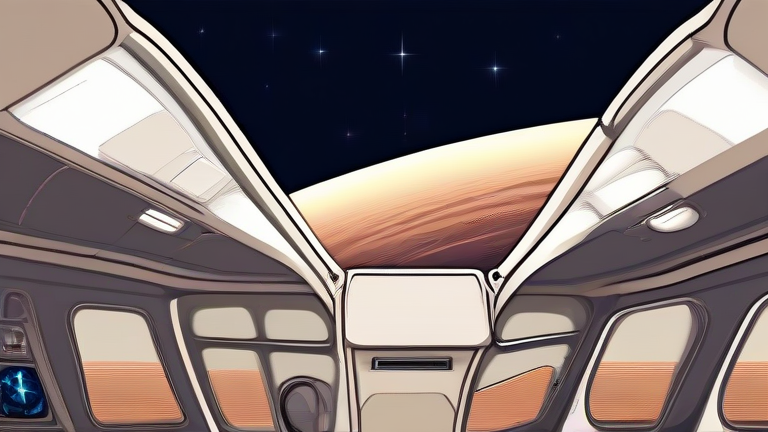
Space Tourism for the Middle Class: Now Accessible
For decades, the dream of leaving Earth’s atmosphere was reserved for trillion-dollar governments and the ultra-wealthy few. However, the landscape of aerospace is shifting dramatically. With the rise of commercial spaceflight companies like Blue Origin, Virgin Galactic, and SpaceX, the barrier to entry is lowering. While “middle class” is a relative term, ticket prices are dropping from multi-million dollar exclusivity to the realm of achievable luxury for a growing demographic. This article explores the health implications and lifestyle adjustments necessary for this emerging frontier.

The Physiological Challenge
Before you book your ticket, understand that space is hostile to human biology. The primary concern is microgravity. During a suborbital flight, you experience weightlessness for several minutes. This sudden shift can cause fluid redistribution, leading to facial puffiness and nasal congestion, commonly known as “puffy face and bird leg” syndrome. For individuals with hypertension or heart conditions, these temporary changes in blood pressure and fluid dynamics can be significant.
If you want to dig deeper, check out our guide on Remote Work Is Now Default for Tech Firms.
Furthermore, the acceleration forces during launch and re-entry subject the body to high G-forces. A typical suborbital flight might expose passengers to 3-4 Gs, pushing the body with three to four times its normal weight. This requires strong cardiovascular health and core stability. Medical screenings are rigorous, focusing on orthopedic health, vestibular function, and cardiac resilience. It is not merely a tourist attraction; it is an athletic endeavor.
Pre-Flight Lifestyle Adjustments
To ensure a safe and comfortable journey, prospective travelers must adopt a space-ready lifestyle months in advance. Hydration is critical. Space travel accelerates dehydration due to lower humidity in cabins and increased respiratory water loss. Experts recommend increasing water intake by 50% in the two weeks leading up to the flight. Avoid alcohol and excessive caffeine, as they exacerbate fluid loss and can worsen motion sickness.
Physical conditioning is equally important. Focus on low-impact aerobic exercises to build stamina