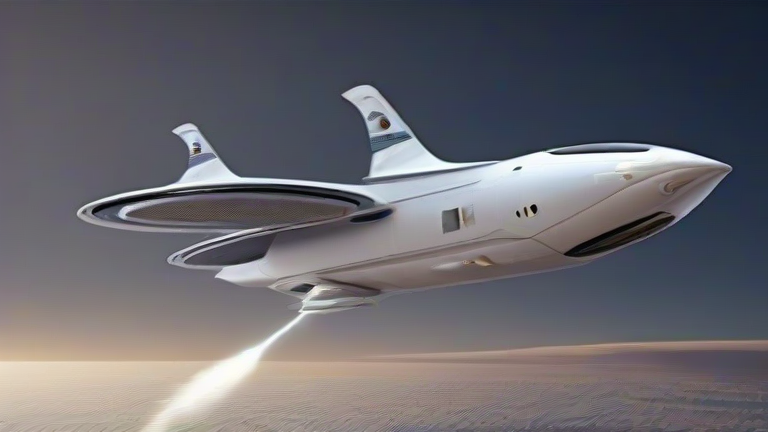
Space Tourism: Suborbital Flights for Civilians
For decades, the dream of touching the void beyond our atmosphere was reserved for highly trained astronauts, backed by billions of dollars in government funding and years of rigorous military or scientific preparation. However, the landscape of aerospace is undergoing a radical transformation. We are no longer just observers of the space age; we are becoming participants. Suborbital space tourism has shifted from science fiction to a tangible, albeit exclusive, reality. This review examines the current state of civilian access to space via suborbital flights, exploring whether the experience justifies the steep price tag.
The Experience: Brief but Breathtaking
Unlike orbital missions that last for days or months, suborbital flights are brief adventures, typically lasting between ten to fifteen minutes of weightlessness. The journey begins with a powerful vertical ascent, pushing passengers into their seats with significant G-force. As the rocket stage separates, the cabin tilts, and suddenly, gravity seems to vanish. Passengers float freely, strapped into specialized seats, witnessing the curvature of the Earth against the absolute blackness of space. This “Overview Effect”—a cognitive shift in awareness reported by astronauts—is the primary selling point. It is a profound, life-altering moment of perspective that few other earthly experiences can replicate.
If you want to dig deeper, check out our guide on Top 10 Emerging Trends Shaping the Future in 2024.
Feature Highlights and Safety Protocols
Modern suborbital vehicles are designed with civilian comfort and safety in mind. Key features include pressurized cabins that maintain a comfortable atmosphere without the need for full pressure suits, large panoramic windows for optimal viewing, and ergonomic seating designed to withstand launch and reentry forces. Companies like Blue Origin and Virgin Galactic utilize different approaches: vertical takeoff and landing versus horizontal runway launch. Both methods prioritize redundancy systems, emergency abort capabilities, and rigorous pre-flight health screenings to ensure passenger well-being.
Comparing the Contenders
When comparing the major players, the differences lie in the vehicle architecture and the pre-flight experience. Blue Origin’s New Shepard offers a purely vertical journey, emphasizing the raw power of rocket propulsion. In contrast