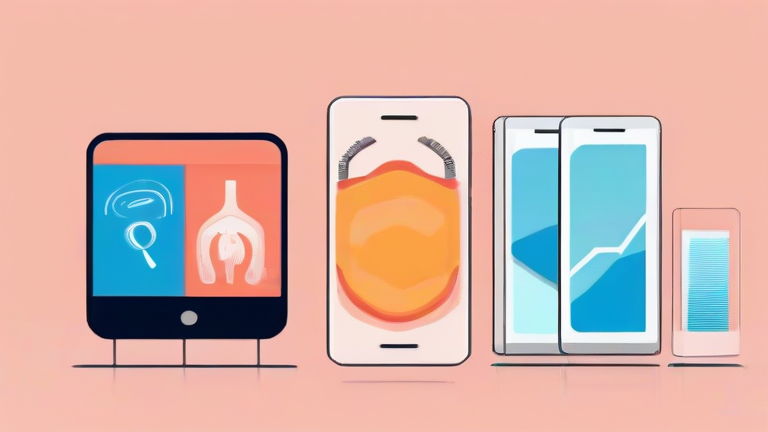
How Mental Health Apps Integrate with Wearable Biosensors
In the rapidly evolving landscape of digital wellness, the convergence of mental health applications and wearable technology represents a significant leap forward in proactive care. By syncing your smartphone or tablet with devices like smartwatches or fitness bands, you unlock a powerful feedback loop that monitors physiological markers of stress and anxiety in real-time. This guide provides a comprehensive walkthrough on how to establish this integration, ensuring you can harness data for better emotional regulation.

Step 1: Select Compatible Devices and Applications
The foundation of successful integration lies in choosing the right ecosystem. Not all mental health apps support all wearable devices. Begin by identifying a mental health application that explicitly lists compatibility with your wearable hardware, such as Apple Watch, Fitbit, Garmin, or Whoop. Popular choices include Headspace, Calm, or specialized clinical tools like Woebot. Simultaneously, ensure your wearable device has a companion app installed on your smartphone. For instance, if you own an Apple Watch, you will need the Health app on iOS; if you use a Fitbit, the Fitbit app is essential. Verify that both the mental health app and the wearable companion app are updated to their latest versions to prevent connectivity glitches during the setup process.
If you want to dig deeper, check out our guide on Top 10 Emerging Trends Shaping the Future in 2024.
Step 2: Enable Permission Settings
Once your devices are ready, you must grant necessary permissions to allow data sharing. Open your smartphone’s settings menu and navigate to the Privacy or Security section. Locate the specific mental health app and the wearable companion app. Ensure that access to Health Data, Heart Rate, Sleep Stages, and Activity Levels is toggled on. This step is crucial because mental health algorithms rely on physiological data, such as Heart Rate Variability (HRV), to detect spikes in stress. Without explicit permission, the apps cannot read the biosensor data, rendering the integration useless. Be sure to review these permissions annually, as software updates often reset access defaults.
Sustainable Aviation Fuels Gain Traction: What It Means for