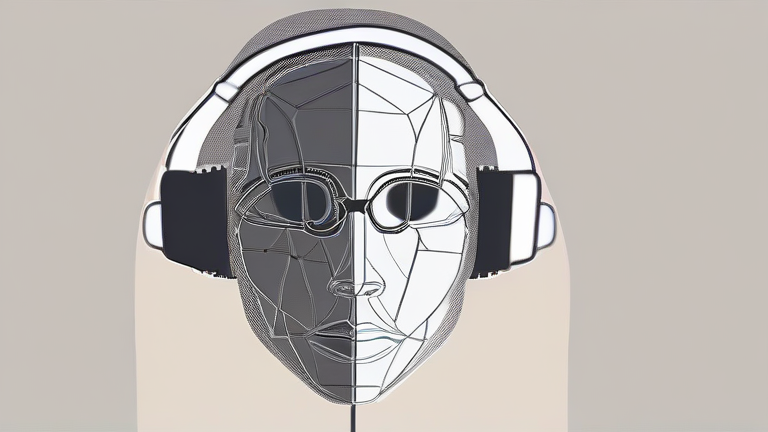
Neurotech Headsets: Boost Focus & Mental Health

The rapid advancement of consumer neurotechnology has democratized access to brain-computer interfaces, offering unprecedented opportunities to enhance cognitive performance and emotional regulation. Neurotech headsets are no longer exclusive to clinical settings or sci-fi narratives; they are now accessible tools for the modern individual seeking to optimize their mental state. This guide provides a comprehensive, step-by-step approach to integrating these devices into your daily routine effectively and safely.
Step 1: Choose the Right Device
Before diving into usage, it is crucial to select a headset that aligns with your specific goals. Most consumer-grade devices utilize Electroencephalography (EEG) to measure electrical activity in the brain. Look for models that offer real-time biofeedback and companion apps with robust analytics. Key features to prioritize include comfortable fit, battery life, and data privacy certifications. Ensure the device has good sensor contact, as dry electrodes are generally more user-friendly for beginners than wet gel-based systems.
Step 2: Proper Fit and Calibration
Proper placement is the cornerstone of accurate data collection. Clean your forehead and hairline to remove oils that might interfere with sensor contact. Place the headset according to the manufacturer’s guidelines, typically aligning the primary sensors with the frontal cortex for focus tracking or the parietal lobe for relaxation metrics. Adjust the headband until it feels snug but not tight. Perform the initial calibration session, which usually involves sitting quietly with eyes closed for a few minutes. This baseline reading helps the algorithm distinguish between your normal brainwaves and moments of high engagement or relaxation.
Step 3: Engage in Guided Neurofeedback
Once calibrated, begin your first session using the companion app. Neurofeedback works on the principle of operant conditioning, where you learn to self-regulate your brain activity through real-time visual or auditory cues. For focus, the app might provide positive feedback when your brainwaves enter the Beta state, associated with active thinking. For stress relief, aim for Alpha or Theta states. Start with short sessions of ten to fifteen minutes. Consistency is more important