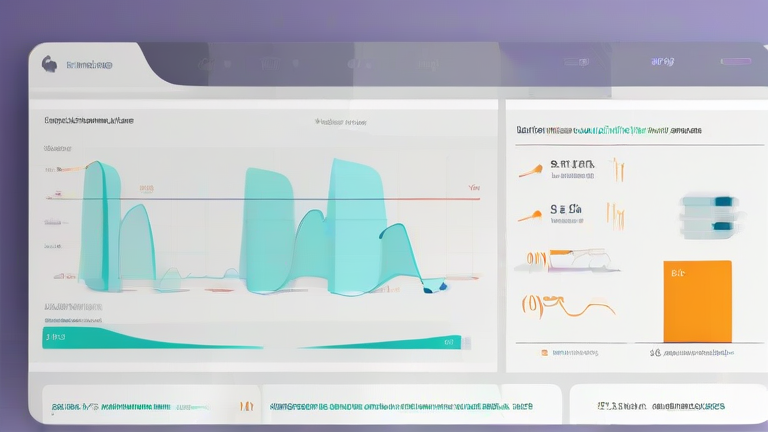
Wearable Tech Monitors Chronic Disease Markers
The landscape of healthcare is undergoing a profound transformation, shifting from reactive treatment to proactive prevention. At the forefront of this revolution is wearable technology, which has evolved from simple step counters into sophisticated medical-grade devices capable of monitoring critical chronic disease markers. For individuals managing conditions such as diabetes, hypertension, and heart disease, these devices offer unprecedented insights into their physiological state, enabling early intervention and improved quality of life.
One of the most significant advancements in this field is the continuous monitoring of glucose levels. Traditional finger-prick tests provide only a snapshot of blood sugar, whereas continuous glucose monitors (CGMs) offer a dynamic view of metabolic health. Recent studies published in reputable medical journals indicate that individuals with type 2 diabetes who utilize CGMs experience significantly better glycemic control and reduced risk of hypoglycemic events. By visualizing how specific foods, exercise, and stress affect blood sugar in real-time, patients can make informed dietary choices that stabilize their energy levels and prevent long-term complications. This data-driven approach empowers patients to take an active role in managing their condition, fostering a sense of agency and confidence.
Beyond diabetes, wearable devices are increasingly adept at tracking cardiovascular health. Smartwatches and fitness bands now feature advanced sensors capable of detecting atrial fibrillation, a common heart rhythm disorder that significantly increases the risk of stroke. These devices analyze heart rate variability (HRV) and electrocardiogram (ECG) data to identify irregularities. For users with hypertension, consistent monitoring of blood pressure trends can reveal patterns linked to daily habits. Science-backed advice suggests that combining wearable data with lifestyle modifications, such as the DASH diet and regular aerobic exercise, can lead to sustained reductions in blood pressure. However, it is crucial to interpret this data with caution; while wearables are excellent for trend analysis, they are not diagnostic tools. Always consult a healthcare provider before making medical decisions based solely on wearable data.
The integration of wearable technology into daily wellness routines also emphasizes the importance of holistic health metrics. Sleep quality, stress levels, and physical activity are interconnected factors that influence chronic disease progression