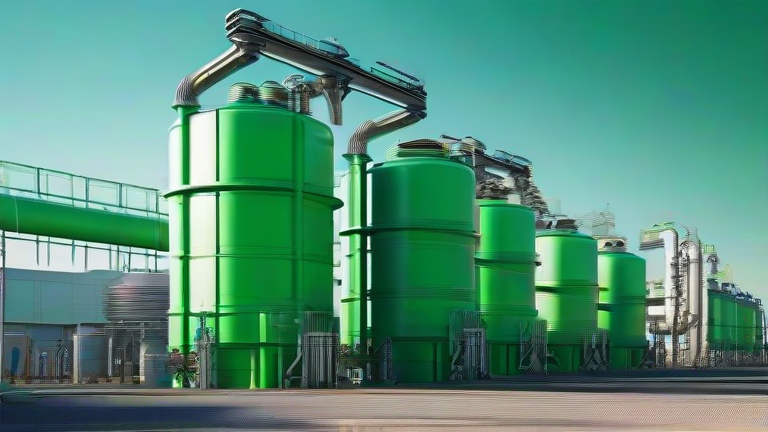
Green Hydrogen: Powering Heavy Industry Decarbonization

The transition to a net-zero economy requires a fundamental shift in how heavy industries operate. Green hydrogen, produced via water electrolysis using renewable electricity, offers a viable pathway to decarbonize sectors like steel, cement, and chemicals. This guide outlines the essential steps for integrating this clean fuel into your industrial operations.
Step 1: Assess Your Energy Profile
Begin by conducting a rigorous audit of your current energy consumption. Identify high-heat processes where direct electrification is technically difficult or economically unfeasible. These are the prime candidates for hydrogen substitution. Calculate the total thermal energy required and determine the corresponding hydrogen volume needed to replace fossil fuels like natural gas or coal.
Step 2: Secure Renewable Energy Sources
True “green” hydrogen requires electricity generated from wind, solar, or hydro resources. Establish power purchase agreements (PPAs) with renewable energy providers or invest in on-site generation capacity. Ensure that the renewable source is additional and not merely diverting existing grid power. This step is crucial for maintaining the environmental integrity of your decarbonization claims.
Step 3: Select and Install Electrolyzers
Choose the appropriate electrolyzer technology, such as alkaline or proton exchange membrane (PEM), based on your specific operational needs and renewable energy intermittency. PEM electrolyzers offer faster response times suitable for variable renewable inputs, while alkaline systems may offer lower capital costs for steady operations. Install the equipment with proper safety protocols, including robust leak detection and ventilation systems.
Step 4: Implement Storage and Distribution
Hydrogen requires specialized storage solutions due to its low volumetric energy density. Consider compressed gas tanks, liquid hydrogen storage, or material-based storage systems like metal hydrides. Upgrade your existing pipeline infrastructure or build dedicated hydrogen lines to transport the fuel from production sites to end-use burners or fuel cells.
Pro Tips for Success
Collaborate closely with technology vendors early in the design phase to ensure seamless integration. Monitor efficiency metrics continuously, as electrolyzer performance can degrade over time. Engage with local