How Neurotech BCIs Restore Mobility in Brain-Computer Interfaces
For decades, the concept of controlling machines with the human mind was confined to the realm of science fiction. Today, however, we are witnessing a medical revolution that transforms these fantasies into tangible reality. At the forefront of this movement is the latest generation of Neuralink-style Brain-Computer Interfaces (BCIs), devices that are not just capturing data but actively restoring lost mobility to patients with severe spinal cord injuries and neurodegenerative conditions. This review explores the technological leaps, practical applications, and the profound human impact of these groundbreaking systems.
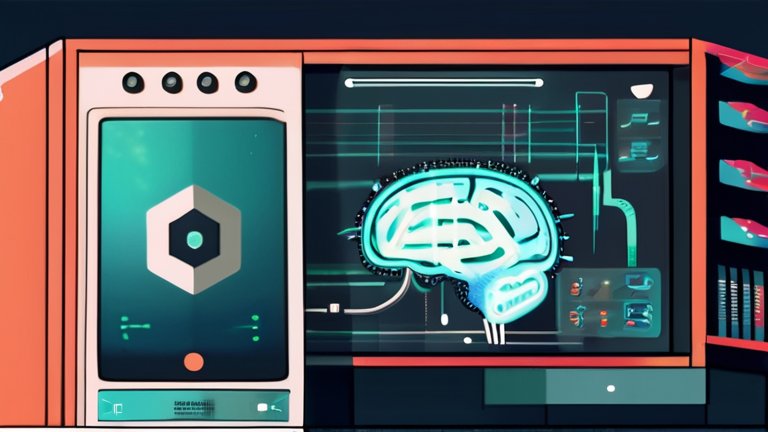
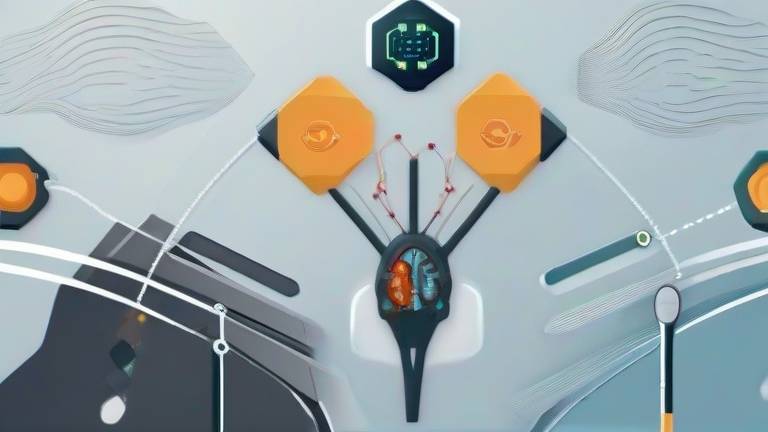
The core innovation of modern BCIs lies in their high-bandwidth, minimally invasive electrode arrays. Unlike previous iterations that required large external wires and bulky processing units, contemporary devices like the Neurotech prototype are wireless, implantable, and designed for long-term biocompatibility. The system works by decoding neural spikes associated with motor intent. When a patient thinks about moving their arm, the implant captures these electrical signals, translates them into digital commands, and transmits them wirelessly to a computer or robotic exoskeleton. The latency is remarkably low, often under 20 milliseconds, creating a seamless loop of thought and action that feels intuitive rather than mechanical.
When comparing this technology to older methods, such as functional electrical stimulation (FES) systems, the difference is stark. Traditional FES requires physical electrodes attached to the skin or surgically implanted along the muscle nerves, which can cause discomfort and skin irritation. Furthermore, FES often struggles with fine motor control. In contrast, the new BCI technology allows for nuanced movements, such as grasping a cup or typing on a virtual keyboard. While non-invasive headsets exist, they lack the precision and bandwidth necessary for complex motor restoration. The implantable BCI offers a superior signal-to-noise ratio, making it the gold standard for restoring functional independence to those with complete paralysis.
The feature highlights of these devices are impressive. They include autonomous charging capabilities, allowing patients to use the device for extended periods without interruption. The software interface is user-friendly, enabling patients to calibrate their systems at home with minimal technical support. Moreover, the adaptive learning algorithms improve over time,