
TL;DR: Remote work is driving a significant shift in urban real estate, causing a surplus of office space and a surge in demand for larger, multi-purpose residential units. This transition forces cities to adapt by repurposing commercial districts into mixed-use neighborhoods that prioritize quality of life over pure commerce.
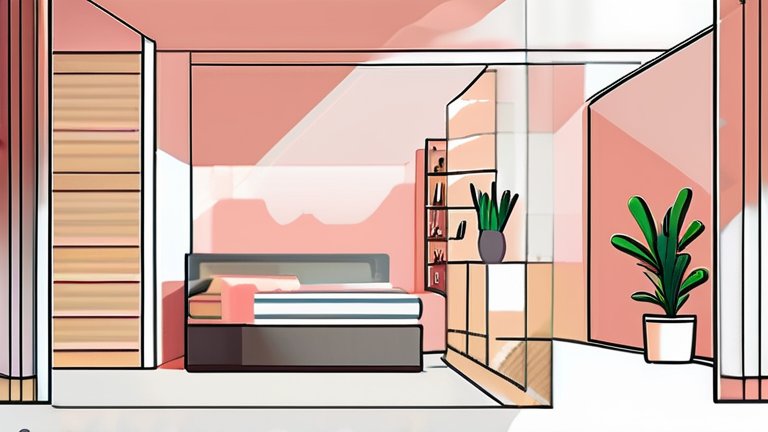
The traditional nine-to-five commute has largely dissolved for millions of professionals, fundamentally altering the landscape of urban real estate. As companies downsize their physical footprints and employees seek homes with dedicated office spaces, the demand dynamics in major metropolitan areas are shifting rapidly. Understanding these changes is crucial for investors, homebuyers, and city planners alike.
Step 1: Assess Your Space Requirements
Before making any moves, evaluate your current living situation. Remote work often requires a dedicated, quiet workspace. If your current apartment lacks this, you may need to look for properties with extra rooms or flexible layouts. Look for features like soundproofing, natural light, and reliable high-speed internet infrastructure. These elements are no longer luxuries but necessities for productivity.
Step 2: Explore Suburban and Exurban Markets
With the commute eliminated, many professionals are relocating to suburbs or exurbs. These areas often offer more square footage for the same price as a city center apartment. Use online real estate platforms to filter listings by square footage and home office potential. Prioritize neighborhoods with good amenities, such as parks, cafes, and grocery stores, to create a self-sufficient community feel.
Step 3: Consider Hybrid Living Models
If you are not ready to move entirely, consider hybrid living. Rent a small urban apartment for occasional use and lease a larger house in a quieter area. This approach provides the best of both worlds: city access for social events and a peaceful environment for deep work. It also offers financial flexibility, allowing you to adjust your housing costs based on your work patterns.
Step 4: Invest in Commercial-to-Residential Conversions
For investors, the conversion of underutilized office buildings into residential units presents a lucrative opportunity. Many older office structures have high ceilings and open floor plans that are easily adaptable to apartments. Check local zoning laws and incentives for such conversions. Ensure that the building has adequate plumbing and electrical systems to support residential living.
Step 5: Adapt to Mixed-Use Developments
Urban centers are increasingly developing mixed-use projects that combine retail, office, and residential spaces. These developments aim to recreate the vibrancy of city life within a smaller footprint. When choosing a location, look for these integrated communities. They often provide better walkability and a stronger sense of community, which can enhance your quality of life while reducing reliance on cars.
FAQ
Q: How will remote work affect commercial real estate prices?
A: Prices for traditional office space are likely to decrease due to oversupply, while values for flexible co-working spaces may stabilize as businesses adopt hybrid models.
If you want to dig deeper, check out our guide on 10 Simple Lifestyle Changes to Boost Your Happiness and Heal.
Q: Is it a good time to buy a home in a city center?
A: It depends on your priorities. City centers offer convenience and culture, but you may find better value and space in suburban areas if you do not commute daily.
Q: What features should I look for in a remote work home?
A: Prioritize dedicated office space, high-speed internet connectivity, natural lighting, and noise reduction features to ensure a productive and healthy work environment.