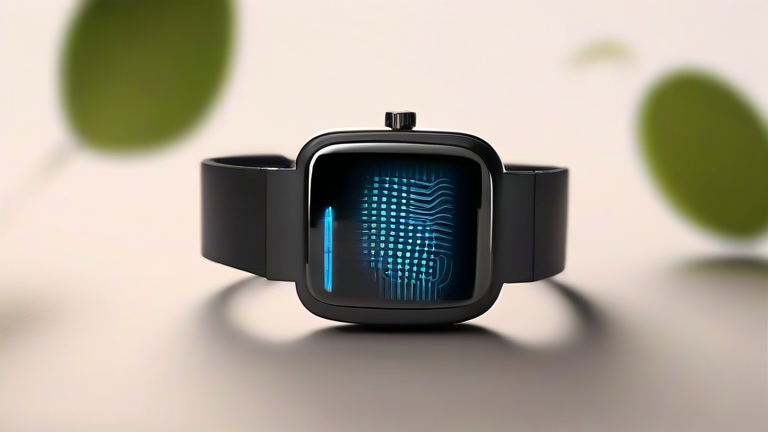
TL;DR: Neurotech wearables utilize advanced sensors to track physiological markers like heart rate variability and skin conductance, providing real-time insights into your mental state. These devices empower users to identify stress triggers and implement immediate coping strategies for better emotional regulation.
The intersection of neuroscience and consumer technology has evolved rapidly, moving beyond simple step counting to sophisticated mental health monitoring. Modern neurotech wearables, including headbands and smart rings, measure biomarkers such as electrodermal activity and galvanic skin response. These metrics serve as objective indicators of autonomic nervous system arousal, offering a quantifiable view of anxiety and stress levels that were previously subjective experiences. By correlating these biological signals with daily activities, users gain a deeper understanding of their mental health patterns.
If you want to dig deeper, check out our guide on Quantum Computing Achieves Practical Error Correction.
Understanding the Science
Research indicates that heart rate variability (HRV) is a robust marker of stress resilience. High HRV generally suggests a balanced nervous system, while low HRV often correlates with acute stress or fatigue. Wearables analyze these variations to provide a “stress score.” Furthermore, some devices track sleep architecture, recognizing that poor sleep quality is a primary precursor to mental health challenges. By monitoring REM and deep sleep cycles, these tools help users understand how rest impacts emotional stability. This data-driven approach allows for proactive adjustments rather than reactive management of mental health issues.

Lifestyle Integration Tips
To maximize the benefits of neurotech wearables, integrate them into a holistic wellness routine. First, establish a baseline. Wear the device consistently for two weeks to understand your normal physiological ranges before reacting to spikes. Second, use the data for mindfulness. When the device detects elevated stress, trigger a guided breathing exercise immediately. Consistent practice can train your body to self-regulate more effectively over time. Third, prioritize sleep hygiene. Use the sleep data to identify factors like caffeine intake or screen time that disrupt your rest. Finally, share insights with healthcare providers. These objective data points can facilitate more productive conversations with therapists or doctors, leading to personalized treatment plans. Remember, technology is a tool for awareness, not a replacement for professional medical advice.
FAQ
Q: Can neurotech wearables diagnose mental health conditions?
A: No, these devices are not medical diagnostic tools; they provide wellness insights and should not replace professional diagnosis or treatment.
Q: How accurate are these devices compared to clinical equipment?
A: While consumer devices are less precise than hospital-grade equipment, they are sufficiently accurate for tracking daily trends and identifying general stress patterns.
Q: Do I need to wear the device 24/7 for effective results?
A: Continuous wear is recommended to capture comprehensive data, especially during sleep, but consistent daily usage during waking hours is essential for actionable insights.