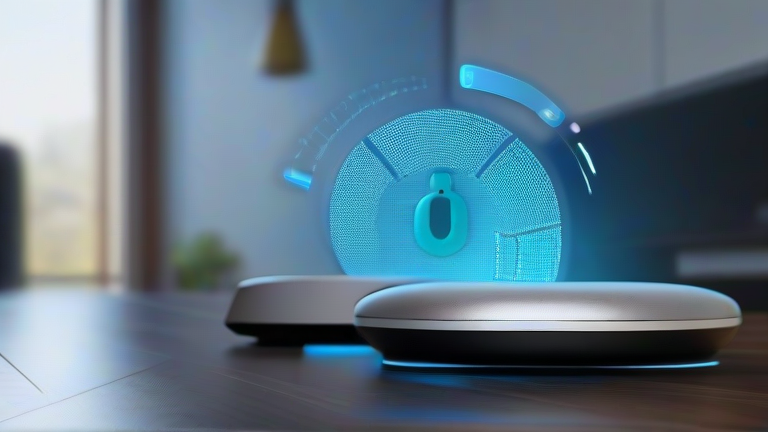
TL;DR: Smart home devices are facing escalating cybersecurity threats due to fragmented security standards and outdated firmware. Users must prioritize network segmentation and regular updates to mitigate the risk of data breaches and device hijacking.
The proliferation of Internet of Things (IoT) gadgets has transformed modern living, offering unprecedented convenience through automation and remote control. However, this connectivity comes with a significant price: a rapidly expanding attack surface for cybercriminals. Recent reports indicate a sharp increase in ransomware attacks targeting smart home ecosystems, where hackers encrypt devices to demand payment. This trend is driven by the sheer volume of poorly secured endpoints that serve as gateways into private home networks.
If you want to dig deeper, check out our guide on 10 Science-Backed Health Tips to Boost Your Energy Today.
Latest Developments in Threat Vectors
Security researchers have identified new vulnerabilities in popular smart speakers and video doorbells. These devices often rely on weak default credentials or unencrypted communication protocols, making them easy targets for man-in-the-middle attacks. Furthermore, the rise of AI-driven malware allows attackers to automate the discovery of vulnerable devices across entire neighborhoods. Unlike traditional computers, many IoT devices lack the processing power to run robust antivirus software, leaving them defenseless against sophisticated exploits.
Industry experts warn that the lack of standardized security protocols across manufacturers exacerbates the problem. A device from one brand may have robust encryption, while another from a different vendor uses plaintext transmission. This inconsistency creates weak links that attackers exploit to penetrate deeper into home networks, potentially gaining access to personal computers and sensitive financial information stored on connected devices.
Industry Impact and Response
The cybersecurity industry is responding with heightened urgency. Major tech giants are investing heavily in hardware-based security modules that isolate critical functions from potential malware. Additionally, new regulatory frameworks are emerging, mandating stronger security requirements for devices sold in major markets. These regulations aim to force manufacturers to adopt a “security by design” approach, ensuring that updates and patches are provided for the entire lifecycle of the product.
Consumers are also becoming more aware of these risks, driving demand for devices with transparent security practices. Brands that prioritize cybersecurity are gaining market share, as users increasingly view data protection as a key feature alongside functionality. However, the gap between high-end security-focused products and budget-friendly options remains wide, leaving a significant portion of users vulnerable.
To combat these threats, experts recommend network segmentation, where IoT devices are placed on a separate Wi-Fi network isolated from main devices. This limits the damage if a single gadget is compromised. Regular firmware updates are equally crucial, as they patch known vulnerabilities before attackers can exploit them. The future of smart homes depends on a collaborative effort between manufacturers, regulators, and users to establish a secure and resilient digital ecosystem.
FAQ
Q: How can I protect my smart home devices from hackers?
A: Change default passwords, enable two-factor authentication, and segment your IoT devices on a separate network.
Q: Why are smart home devices frequent targets for cyberattacks?
A: They often have weak security protocols, outdated firmware, and lack the processing power for robust antivirus protection.
Q: What is the most effective update strategy for IoT security?
A: Enable automatic firmware updates whenever possible to ensure you receive the latest security patches immediately.