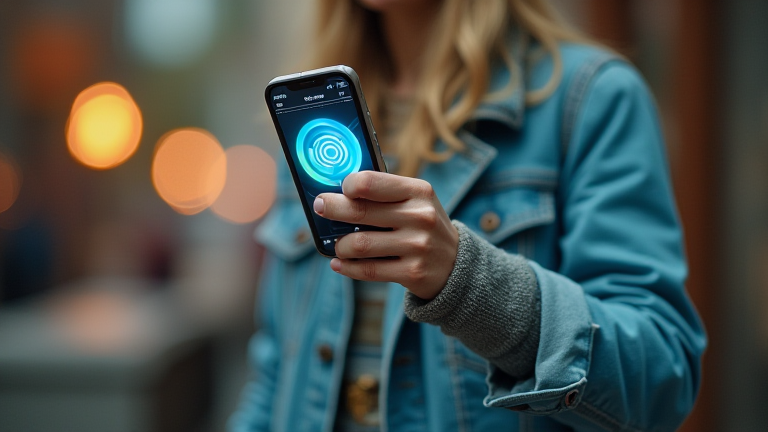
TL;DR: Mental health applications are increasingly integrating with wearable devices to provide real-time biometric feedback, enabling personalized and proactive psychological care. This convergence of data streams creates a holistic view of user well-being, bridging the gap between clinical therapy and daily life management.
The Convergence of Biometrics and Psychology
The digital health landscape is undergoing a significant transformation as mental health applications begin to sync seamlessly with wearable technology. This integration marks a pivotal shift from reactive symptom tracking to proactive emotional regulation. By leveraging continuous data streams such as heart rate variability (HRV), skin temperature, and sleep patterns, these combined platforms offer unprecedented insights into a user’s mental state. The market for this intersection is expanding rapidly, with recent reports indicating that the global mental health tech market is projected to reach $32 billion by 2025, driven largely by wearable compatibility features.
If you want to dig deeper, check out our guide on AI Therapists in Mental Health Apps: Integration Guide.

Industry experts argue that this synergy addresses the core limitation of traditional therapy apps: the reliance on self-reported data, which can be subjective and prone to bias. “Wearables provide an objective physiological baseline,” says Dr. Elena Rostova, a digital health analyst. “When an app detects elevated stress markers before the user even realizes they are anxious, it can trigger immediate, personalized interventions like guided breathing exercises or mindfulness prompts.” This predictive capability represents a paradigm shift in how we approach mental wellness, moving away from crisis management toward consistent emotional hygiene.
However, challenges remain. Data privacy concerns and the accuracy of consumer-grade sensors are critical issues that developers must address to maintain user trust. Despite these hurdles, the trend is undeniable. Major tech giants and specialized health startups are racing to develop algorithms that can correlate physiological spikes with specific emotional triggers. Future predictions suggest that by 2027, most premium mental health subscriptions will include wearable integration as a standard feature, not an add-on. We are also seeing the emergence of AI-driven insights that can predict potential burnout or depressive episodes days in advance, allowing users to take preventive action.
The integration of mental health apps with wearables is not just a technological upgrade; it is a fundamental reimagining of care delivery. It empowers individuals with actionable data, fostering a deeper understanding of their mind-body connection. As these technologies mature, they promise to democratize access to mental health support, making personalized care available to millions who previously lacked resources. The future of mental health is connected, continuous, and deeply personal.
FAQ
Q: What data do mental health apps typically collect from wearables?
A: They primarily collect heart rate variability, sleep quality metrics, skin conductance levels, and physical activity patterns to infer stress and emotional states.
Q: Are these integrations safe for users with severe mental health conditions?
A: While beneficial for monitoring, experts recommend using them as supplementary tools rather than replacements for professional clinical diagnosis and treatment.
Q: Which wearable brands currently support the best mental health app integrations?
A: Apple Watch, Fitbit, and Garmin currently offer the most robust APIs for third-party mental health applications, ensuring seamless data synchronization.