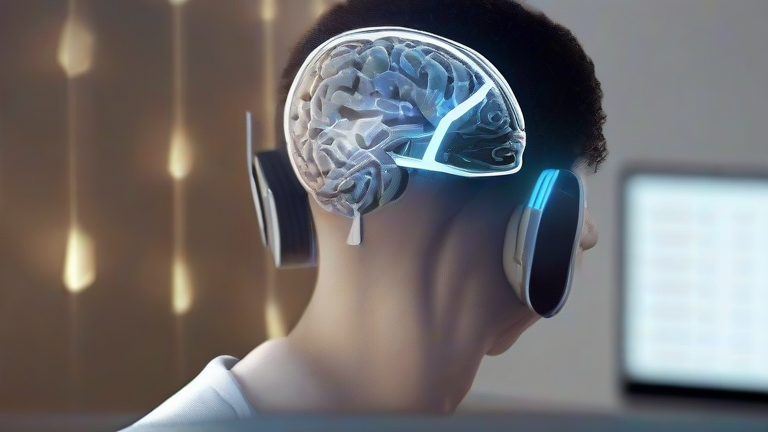
TL;DR: Brain-computer interfaces (BCIs) are rapidly transitioning from experimental labs to consumer wellness markets, promising to enhance focus, sleep, and emotional regulation. While full mind-reading remains sci-fi, non-invasive headsets are already helping users optimize their daily routines and personal growth journeys.
The Quiet Revolution in Your Daily Routine
Imagine waking up not to the jarring sound of an alarm, but to a gentle neural cue that signals your brain it is time to rise. This is no longer the stuff of cyberpunk novels; it is the emerging reality of neurotech. As we navigate an increasingly distracted digital landscape, the intersection of neuroscience and everyday lifestyle is creating new pathways for personal growth. Travelers, foodies, and culture seekers are finding that optimizing their brain function can profoundly alter how they experience the world.
If you want to dig deeper, check out our guide on Ultimate SEO Tutorial for Beginners: Step-by-Step Guide.
For the modern traveler, neurotech offers a unique advantage. Jet lag is more than a physical inconvenience; it is a neurological disruption. New wearable devices monitor circadian rhythms in real-time, adjusting light therapy and soundscapes to reset your internal clock faster. Imagine arriving in Kyoto or Paris fully rested, ready to immerse yourself in the local culture without the fog of fatigue. This technological edge allows for deeper engagement with historical sites and vibrant street scenes, transforming a simple vacation into a rejuvenating reset for the mind.
Enhancing Culinary and Cultural Experiences
The culinary world is also embracing neural optimization. Chefs and food enthusiasts are using biofeedback tools to understand how specific flavors affect their emotional states. By wearing a simple EEG headband during a tasting menu, diners can see real-time data on how umami or bitter notes trigger stress or relaxation responses. This data-driven approach to gastronomy allows for a more mindful eating experience, where every bite is chosen not just for taste, but for its neurological impact.
Culture, too, is being redefined. Museums are beginning to install installations that respond to the viewer’s neural activity. A painting might change hues based on the viewer’s level of calmness, while a musical performance might intensify as the audience’s collective focus sharpens. This creates a feedback loop between the art and the observer, making cultural consumption an interactive, personalized journey. It challenges us to be more present, turning passive observation into active neural participation.

Personal growth has always been about self-awareness, but neurotech provides the mirror we have lacked. By visualizing our mental states, we gain the power to regulate them. Whether it is using meditation apps synced to your brainwaves or using focus-enhancing devices while working, these tools are becoming essential for anyone seeking mastery over their attention span. As these technologies become more affordable and user-friendly, they will likely become as common as fitness trackers, helping us navigate the complexities of modern life with greater clarity and purpose.
FAQ
Q: Are brain-computer interfaces safe for daily use?
A: Yes, current non-invasive consumer devices are considered safe for daily use, though users should always consult a healthcare professional for specific medical advice.
Q: Can neurotech help with jet lag when traveling?
A: Absolutely. Many new wearables use light and sound therapy synchronized with neural data to help reset circadian rhythms faster than traditional methods.
Q: Do I need technical skills to use these devices?
A: No, modern neurotech is designed for simplicity, with intuitive apps that guide you through setup and interpretation of your brain activity data.