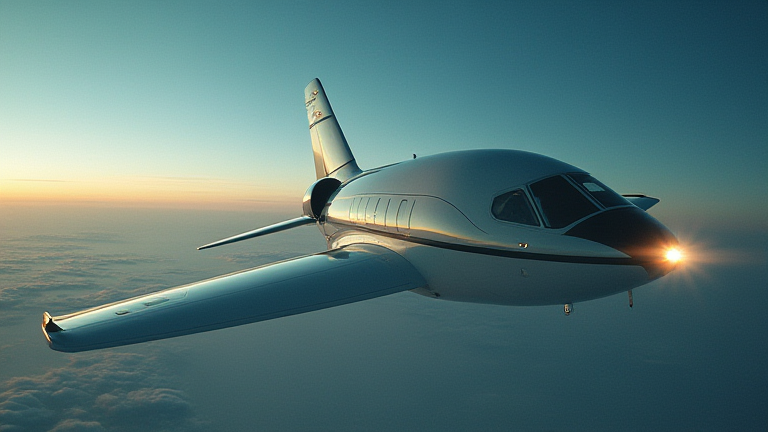
TL;DR: Suborbital space tourism offers brief, thrilling experiences of weightlessness and the “Overview Effect” by reaching the edge of space without entering orbit. To participate, you must book with commercial providers, undergo rigorous medical screening, and complete intensive physical training to ensure safety during your short journey.
Prepare for Your Journey
First, research reputable spaceflight companies like Blue Origin or Virgin Galactic. Compare their spacecraft designs, flight durations, and ticket prices carefully. Book your seat well in advance, as slots fill up quickly. Next, undergo a comprehensive medical examination to ensure you are physically fit for high-G forces and rapid pressure changes. This step is non-negotiable for your safety.
If you want to dig deeper, check out our guide on How Quantum Computing Solves Drug Discovery Bottlenecks.

Complete Training and Gear Up
Attend the required training sessions, which typically last several days. You will learn emergency procedures, spacecraft systems, and how to handle the launch and reentry phases. Focus on understanding the centrifuge simulations, as they mimic the intense pressure you will feel. Wear the provided pressure suit, ensuring it fits perfectly. Tighten all straps securely to prevent injury during acceleration. Familiarize yourself with the emergency exit protocols inside the cabin.
The Launch and Experience
On launch day, arrive early for final checks. Board the spacecraft and secure your harness. Listen attentively to the pre-flight briefing. During ascent, you will feel significant G-forces pushing you into your seat. Watch the ground shrink away as you cross the Kármán line, officially entering space. Once the engines cut off, you will experience weightlessness for several minutes. Enjoy the breathtaking view of Earth’s curvature against the blackness of space. This moment, known as the Overview Effect, is often life-changing. After the peak altitude, the spacecraft begins its descent. You will feel G-forces again as atmospheric drag slows you down. Deploy parachutes for a gentle landing. Exit the capsule with assistance if needed. Debrief with the crew and celebrate your achievement. Finally, rest and recover from the physical exertion of your unique adventure.
FAQ
Q: How long does a suborbital flight last?
A: The entire experience, including pre-flight preparations and post-landing procedures, takes about three to four hours, with actual weightlessness lasting only three to four minutes.
Q: Do I need to be an expert pilot?
A: No, professional piloting skills are not required. The spacecraft is fully automated, and passengers only need to follow crew instructions and monitor basic systems during the flight.
Q: What is the maximum age limit for passengers?
A: There is typically no strict upper age limit, provided you pass the rigorous medical examination. However, candidates over sixty may need additional health assessments to ensure they can withstand the physical stresses of launch and reentry.