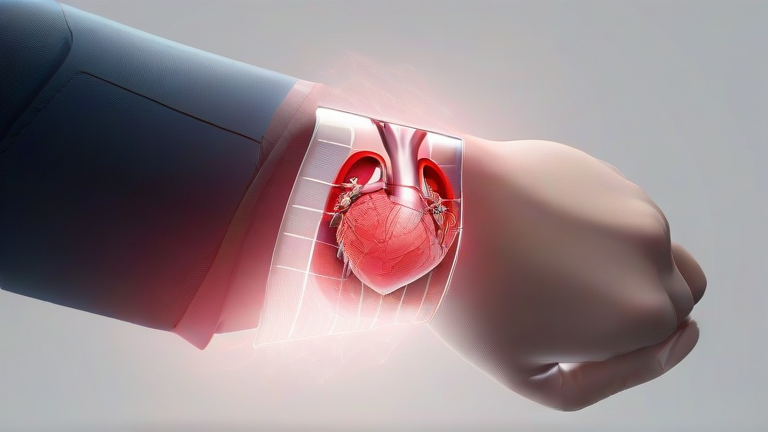
TL;DR: Wearable tech predicts cardiac events early by continuously monitoring heart rate variability and rhythm irregularities to detect anomalies before they become critical. Users can leverage these devices to receive timely alerts and seek immediate medical intervention, potentially saving lives.
Wearable Tech Predicts Cardiac Events Early
If you want to dig deeper, check out our guide on 10 Proven Health Tips to Boost Energy & Wellness Today.
Heart disease remains a leading cause of death globally, yet early detection can significantly improve survival rates. Modern wearable technology has evolved beyond simple step counting to become sophisticated medical-grade monitoring tools. By analyzing physiological data in real-time, these devices can identify subtle changes that precede serious cardiac events. This guide explains how to effectively use wearable technology to monitor your heart health and predict potential issues before they escalate into emergencies.
Step-by-Step Instructions
Step 1: Choose the Right Device
Select a wearable that offers FDA-cleared or clinically validated heart rate monitoring. Look for features like electrocardiogram (ECG) capabilities, which provide more detailed data than standard photoplethysmography sensors. Brands like Apple, Fitbit, and Garmin offer devices with robust cardiac monitoring algorithms. Ensure the device fits snugly but comfortably to maintain accurate sensor contact with your skin.

Step 2: Proper Fit and Placement
Position the device one to two finger widths above your wrist bone. The sensor must maintain consistent contact with your skin, so tighten the band slightly if you notice gaps. Sweat or loose fitting can cause signal artifacts that lead to inaccurate readings. Clean the sensor area regularly to remove oils and dirt that may interfere with light-based detection.
Step 3: Calibrate and Initialize
Download the companion app and create your profile with accurate age, weight, and medical history. Some devices require you to perform baseline readings while resting. Follow the on-screen prompts to establish your normal heart rate variability. This calibration helps the algorithm distinguish between normal fluctuations and potential warning signs.
Step 4: Enable Continuous Monitoring
Activate high-detection mode in your settings. This mode increases the sampling rate for heart rate and rhythm checks. Enable notifications for irregular rhythms or unusually high heart rates during rest. Review your weekly reports to track trends over time. Consistent data collection is crucial for the AI algorithms to recognize your unique physiological patterns.
Pro Tips for Accuracy
Avoid wearing the device too loosely, as this introduces motion artifacts. Remove the watch during high-impact activities if it causes discomfort or inaccurate data. Keep the device updated with the latest firmware to benefit from improved algorithms. Consult your doctor if you receive frequent alerts, as false positives can occur with certain skin tones or tattoos. Remember, wearables are diagnostic aids, not replacements for professional medical advice.
FAQ
Q: Can wearables replace a doctor’s diagnosis?
A: No, wearables provide data for early detection and should be used in conjunction with professional medical evaluation for any concerning symptoms.
Q: Do all smartwatches have ECG capabilities?
A: No, only specific models with FDA-cleared sensors offer medical-grade ECG features, so check specifications before purchasing.
Q: How often should I review my cardiac data?
A: Review weekly reports to identify trends, but check daily for any sudden changes or alerts from the device.