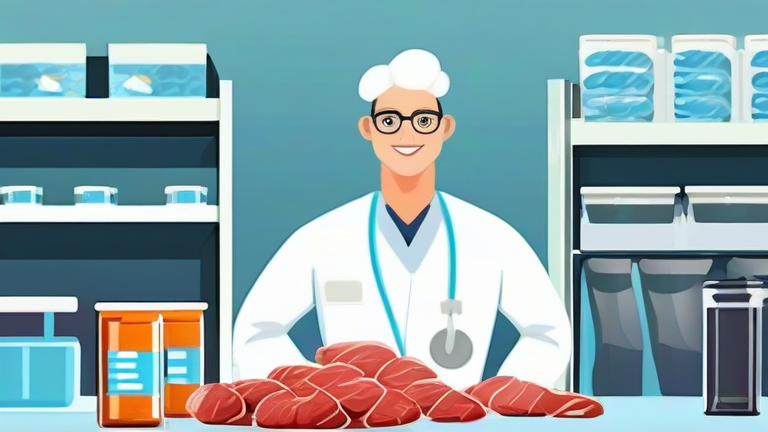
TL;DR: The FDA has fully approved lab-grown meat for national commercial distribution, marking a historic regulatory milestone for the cellular agriculture industry. This approval clears the path for widespread retail availability, signaling a major shift in global food production strategies and consumer acceptance.
The Dawn of a New Era

The recent full approval by the Food and Drug Administration represents more than just bureaucratic green-lighting; it is a transformative event for the global protein market. For years, cultivated meat has existed in a regulatory gray area, limited to small-scale trials and state-specific exceptions. Today, that era is over. The FDA’s comprehensive review confirmed that cellular agriculture products are safe, wholesome, and properly labeled, effectively removing the primary barrier to entry for major food manufacturers. This decision validates the scientific rigor behind cell culture technologies and assures consumers that these products meet the highest safety standards comparable to conventional meat.
Market Analysis and Strategic Shifts
The market implications are profound. Analysts predict that the cultivated meat sector, valued at approximately $300 million last year, could explode to over $2 billion within five years. Major players like UPSIDE Foods and GOOD Meat are now positioned to scale production rapidly, leveraging existing supply chain infrastructures. Strategic partnerships between traditional meat conglomerates and biotech startups are accelerating, as established brands seek to diversify their portfolios against climate-related supply chain disruptions. Investors are flooding into the sector, viewing cellular agriculture not as a niche novelty but as a critical component of future food security. Companies are focusing on cost reduction through serum-free media and bioreactor efficiency, aiming to reach price parity with conventional chicken and beef by 2028.
Case Studies in Innovation
Consider the recent success of Upside Foods, which partnered with a major restaurant chain to introduce cultivated chicken in high-traffic urban centers. Early consumer feedback indicates that taste and texture are indistinguishable from traditional meat, challenging the notion that “lab-grown” implies inferior quality. Similarly, GOOD Meat’s collaboration with regional grocery chains has demonstrated that clear labeling and transparent sourcing narratives significantly boost consumer trust. These case studies highlight that success depends less on the technology itself and more on seamless integration into existing consumer habits. By positioning cultivated meat as an extension of familiar food experiences rather than a radical alternative, these companies are driving adoption rates higher than initially projected. The focus is now shifting from survival to scalability, with investments pouring into automation and energy-efficient manufacturing processes to lower the carbon footprint of production.
FAQ
Q: Is lab-grown meat genetically modified?
A: No, cultivated meat is not genetically modified organisms; it consists of animal cells grown in a controlled environment without genetic engineering.
If you want to dig deeper, check out our guide on Hybrid Work Mandates: How Remote Policies Are Shifting.
Q: How does the price compare to regular meat?
A: Currently, it is more expensive due to high production costs, but industry leaders aim for price parity with conventional meat within the next few years.
Q: Is it safe to eat?
A: Yes, the FDA has thoroughly reviewed and confirmed that fully approved cultivated meat products are safe for consumption and meet all federal safety standards.