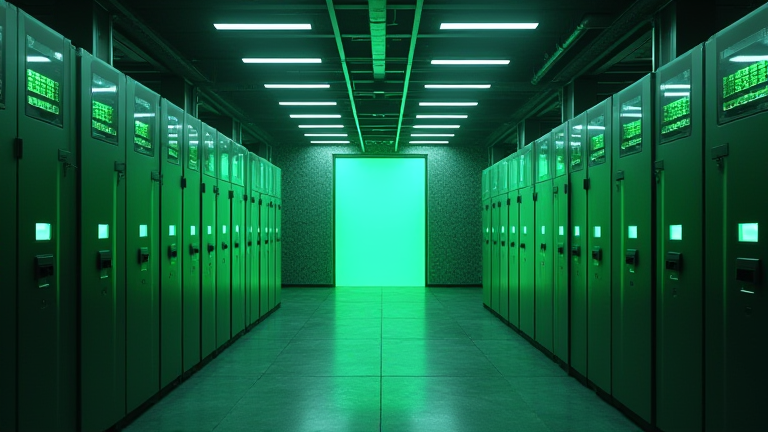
TL;DR: Carbon-negative data centers are driving green tech innovation by pioneering advanced heat reuse systems and renewable energy integration that exceed their own operational emissions. These facilities serve as living laboratories for scalable sustainability, pushing the boundaries of thermal management and grid stabilization technologies across the global infrastructure sector.
The digital age has long carried a heavy environmental footprint, but a paradigm shift is underway. Major technology giants are no longer just aiming for carbon neutrality; they are striving to become carbon-negative, meaning they remove more carbon dioxide from the atmosphere than their operations emit. This ambitious goal is not merely a marketing exercise but a catalyst for profound technological innovation. By treating data centers as active components of the ecological balance rather than passive consumers of resources, engineers are developing breakthrough solutions that redefine efficiency.
If you want to dig deeper, check out our guide on AI Agents for Personal Finance: Autonomous Money Management.
One of the most significant developments in this space is the evolution of liquid cooling technologies. Traditional air conditioning systems are energy-intensive and inefficient. In contrast, next-generation direct-to-chip liquid cooling systems circulate dielectric fluids that absorb heat directly from processors. This method is up to 1,000 times more effective than air cooling. The recovered heat, once wasted, is now captured and repurposed. For instance, several pioneering facilities in Northern Europe pump this excess thermal energy into municipal district heating networks, warming homes and offices during winter. This symbiotic relationship between digital infrastructure and urban living drastically reduces the overall carbon footprint of both sectors.
Furthermore, the integration of artificial intelligence with energy management systems has revolutionized power efficiency. Advanced AI algorithms predict workload spikes and adjust cooling and power distribution in real-time, minimizing waste. These smart systems also optimize the use of on-site renewable energy sources, such as solar arrays and wind turbines, storing excess power in advanced battery banks or hydrogen fuel cells. This dynamic load balancing ensures that data centers operate at peak efficiency regardless of external weather conditions or energy grid fluctuations.
The industry impact extends beyond the data centers themselves. The demand for green hardware has spurred a supply chain transformation. Manufacturers are now designing servers and networking equipment with lower power consumption and higher durability in mind. This shift encourages the adoption of modular designs that facilitate easier upgrades and recycling, reducing electronic waste. Additionally, the push for carbon negativity has accelerated research into direct air capture technologies, where machines actively scrub CO2 from the ambient air, storing it permanently underground or converting it into useful materials.
As these innovations mature, they offer a blueprint for other energy-intensive industries. The success of carbon-negative data centers proves that economic growth and environmental stewardship are not mutually exclusive. They demonstrate that with sufficient investment and engineering creativity, it is possible to build infrastructure that actively heals the planet. This movement is setting new standards for corporate responsibility and environmental performance, inspiring a new generation of engineers to prioritize sustainability in every design choice. The future of computing is not just faster and smarter; it is cleaner and more regenerative, marking a pivotal moment in the history of technological development.
FAQ
Q: What is the primary difference between carbon-neutral and carbon-negative data centers?
A: Carbon-neutral data centers offset their emissions to reach zero net impact, whereas carbon-negative facilities remove more carbon from the atmosphere than they emit, actively improving environmental health.
Q: How is waste heat from data centers utilized in carbon-negative models?
A: Waste heat is captured via advanced liquid cooling systems and redirected to municipal district heating networks, local greenhouses, or industrial processes, replacing fossil fuel-based heating sources.
Q: What role does AI play in achieving carbon-negative operations?
A: AI optimizes energy consumption by predicting workload demands, adjusting cooling systems in real-time, and managing renewable energy storage to ensure maximum efficiency and minimal waste.