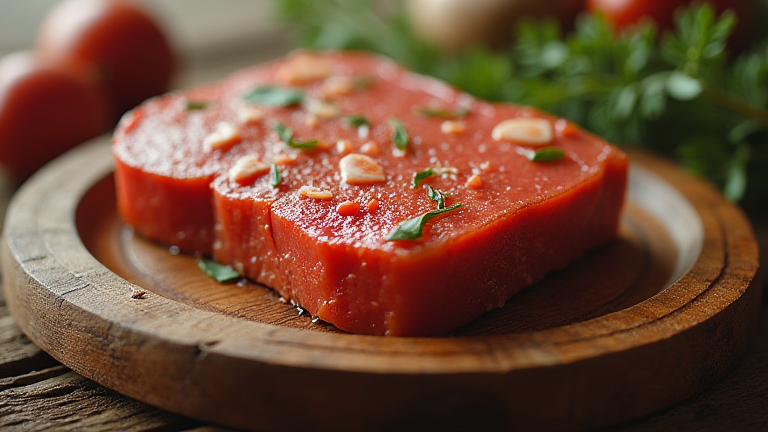
TL;DR: Lab-grown meat is now available in select high-end grocery stores across major metropolitan areas, offering a sustainable alternative to traditional animal agriculture. This guide explains how to purchase, store, and prepare this revolutionary protein source safely and deliciously.
Embracing the Future of Protein
The arrival of cultivated meat in mainstream retail marks a significant shift in culinary landscapes. While traditionally reserved for exclusive chef collaborations, these products are now accessible to home cooks seeking ethical and eco-friendly dining options. Understanding how to navigate this new aisle ensures you maximize both flavor and nutritional benefits.
Step-by-Step Purchasing Guide
First, locate the specialty section of your local gourmet grocery store. Look for clear labeling indicating “cultivated,” “cell-cultured,” or “lab-grown” on the packaging. These items often sit near organic or plant-based alternatives due to their similar sustainability profiles.
Next, inspect the expiration dates carefully. Cultivated meat has a shorter shelf life than conventional beef or chicken because it lacks certain preservatives used in industrial farming. Ensure the package is sealed tightly and kept refrigerated at all times. Choose cuts that match your cooking method, such as ground formulations for burgers or thin slices for stir-fries.
Preparation and Cooking Tips
Once home, store the product in the coldest part of your refrigerator, not the door. When ready to cook, treat it similarly to conventional meat but with adjusted expectations. Cultivated meat often cooks faster because it lacks dense connective tissue found in animal muscle. Use medium-high heat for searing to achieve a desirable crust without overcooking the interior.
Season generously, as the flavor profile can be milder than traditional meat. Consider marinating for at least thirty minutes to enhance taste depth. Avoid overworking the meat during preparation to maintain its delicate texture. Serve immediately after cooking to preserve moisture and structural integrity.
Storage Best Practices
If you do not plan to consume the meat immediately, freeze it promptly. Place it in an airtight container or heavy-duty freezer bag to prevent freezer burn. Thaw slowly in the refrigerator overnight rather than using warm water, which can compromise texture. Always practice strict hygiene by washing hands and surfaces thoroughly before handling.
FAQ
Q: Is lab-grown meat safe to eat?
A: Yes, regulatory bodies like the FDA and USDA have approved specific cultivated meat products for human consumption after rigorous safety testing.
If you want to dig deeper, check out our guide on Quantum Computing Breaks Encryption Standards: What It Means.
Q: How does the taste compare to traditional meat?
A: The taste is very similar to conventional meat, though some users note a slightly milder flavor profile that benefits from marinades and spices.
Q: Why is lab-grown meat more expensive?
A: Current production costs are high due to specialized technology and scaling challenges, though prices are expected to decrease as manufacturing processes improve.