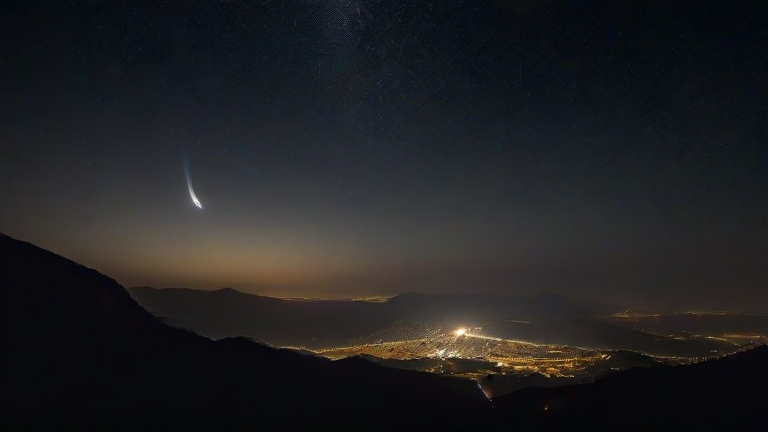
TL;DR: Visit Montserrat during the Perseid meteor shower in August for optimal stargazing conditions away from city lights, or time your trip for August 12, 2026, to witness the total solar eclipse. Plan your logistics well in advance due to high demand and limited viewing areas.
Planning Your Astronomical Adventure
Montserrat, a stunning mountain range in Catalonia, Spain, offers a unique vantage point for celestial events. The region’s high altitude and relatively low light pollution make it an ideal location for observing the night sky. Whether you are chasing the shimmering Perseids or preparing for the historic 2026 solar eclipse, proper preparation is key to an unforgettable experience.
If you want to dig deeper, check out our guide on New RD Mod Series: Understanding….
Step 1: Choose Your Date
First, decide which event aligns with your schedule. The Perseid meteor shower peaks between August 11 and 13 annually, offering a predictable and frequent display of shooting stars. For the solar eclipse, mark your calendar for August 12, 2026. This will be a total solar eclipse visible across parts of Europe, including the vicinity of Montserrat. Ensure you check local weather forecasts closer to the date, as cloud cover can significantly impact visibility.
Step 2: Secure Accommodation and Transport
Book your accommodation months in advance. Hotels and campsites near Montserrat fill up quickly during peak astronomical events. Consider staying in nearby towns like Manresa or Igualada if options within Montserrat are unavailable. Arrange your transport early, as parking near the monastery and viewing spots will be extremely limited. Using public transport, such as the A2 train from Barcelona followed by a bus or taxi, is a reliable and eco-friendly option.
Step 3: Prepare Your Gear
For the Perseids, you will need a comfortable reclining chair or blanket, warm clothing for the chilly night air, and a red-light flashlight to preserve night vision. Binoculars are optional but can enhance the experience. For the 2026 eclipse, certified solar viewing glasses are mandatory. Never look directly at the sun without proper protection. Bring a tripod for your camera if you wish to capture the event.
Step 4: Find the Best Viewing Spot
Arrive early to secure a good spot. The Montserrat monastery area offers panoramic views, but crowds can be dense. For a quieter experience, hike to higher elevations or less popular trails. Ensure your location has a clear view of the southern sky for the Perseids or the western horizon for the eclipse. Respect other observers by keeping noise levels down and avoiding bright lights.
Step 5: Enjoy and Document
Once set up, relax and let your eyes adjust to the darkness for at least 20 minutes. For the eclipse, follow safety instructions meticulously until totality begins. Capture the moment with your camera, ensuring you use appropriate settings and filters. Afterward, share your experience responsibly, respecting the natural environment and local regulations.
FAQ
Q: Is it safe to watch the 2026 eclipse in Montserrat?
A: Yes, it is safe if you use certified solar viewing glasses and follow all local safety guidelines.
Q: When is the best time to see the Perseids in Montserrat?
A: The peak viewing is between August 11 and 13, after midnight for the best meteor activity.
Q: Do I need to book tickets for the Montserrat monastery?
A: While entry is generally free, special events may require registration, so check official sources beforehand.