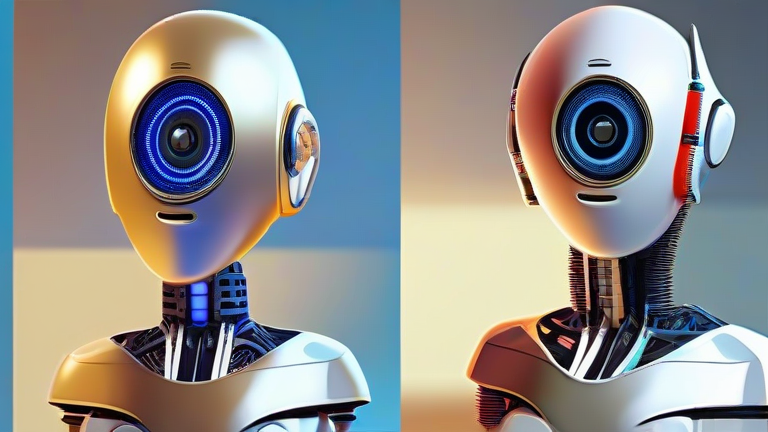
TL;DR: California is currently considering legislation to prohibit the use of artificial intelligence for providing licensed therapy services, citing concerns over patient safety and ethical standards. This potential ban aims to preserve the human element in mental healthcare as chatbot applications surge in popularity among users seeking immediate support.
The Human Touch in a Digital Age
If you want to dig deeper, check out our guide on Is This a Dumb Business Model? Does It Actually Make Sense?.
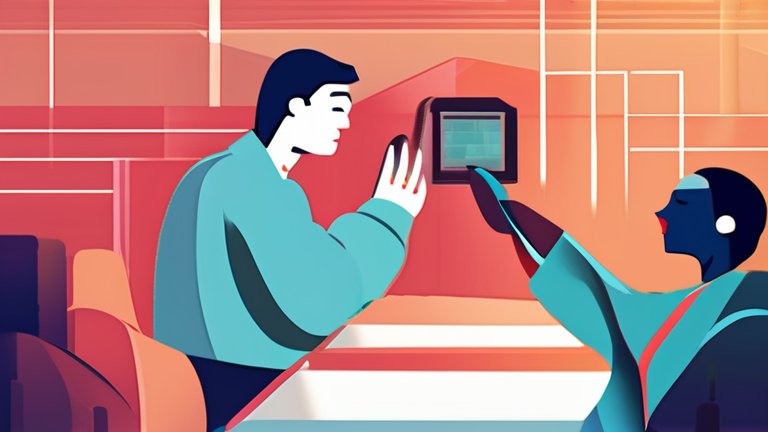
In the golden state, where innovation meets introspection, a new frontier is emerging in the realm of mental wellness. As silicon valley tech giants race to perfect large language models, the line between casual conversation and clinical therapy is becoming increasingly blurred. For many Californians, especially those in high-pressure urban centers like San Francisco and Los Angeles, AI companions offer a 24/7 outlet for stress, loneliness, and anxiety. These chatbots are accessible, non-judgmental, and infinitely patient, traits that are increasingly valued in our fast-paced culture.
However, the prospect of a ban has ignited a fierce debate about the nature of healing. Is empathy something that can be coded, or does it require a beating heart and lived experience? Proponents of the ban argue that mental health is not a lifestyle product to be optimized by algorithms. They fear that relying on AI could lead to misdiagnoses, data privacy breaches, and a erosion of genuine human connection. In a state deeply invested in personal growth and holistic living, the idea of outsourcing vulnerability to a machine feels antithetical to the core values of authenticity and community.
Food for Thought
The conversation extends beyond clinical settings into our daily rituals. Consider the modern cafe culture in Santa Monica, where friends gather not just for artisanal coffee and avocado toast, but for deep, meaningful dialogues. These interactions are the bedrock of our social fabric. If we replace these face-to-face moments with digital substitutes, we risk creating a society that is technically connected but emotionally isolated. The ban proposal serves as a cultural checkpoint, forcing us to ask what we truly value in our pursuit of well-being.
Ultimately, this legislative move is not just about regulating technology; it is about defining the boundaries of human care. It challenges us to recommit to the messy, beautiful, and essential work of listening to one another. While AI may offer convenience, it cannot replicate the profound comfort of being truly heard by another human being. As California debates this future, the rest of the world watches, wondering if we are ready to let algorithms hold our hearts.
FAQ
Q: Will the ban affect all AI interactions?
A: No, the proposed legislation specifically targets AI providing licensed therapy or clinical mental health services, not general wellness chatbots or casual companions.
Q: When will the vote take place?
A: The bill is currently in committee review, with a final legislative vote expected later this year depending on the session schedule.
Q: Are there alternatives to human therapists?
A: Yes, many users utilize peer support groups, journaling apps, and mindfulness tools, which are often recommended as complementary practices rather than replacements for professional care.