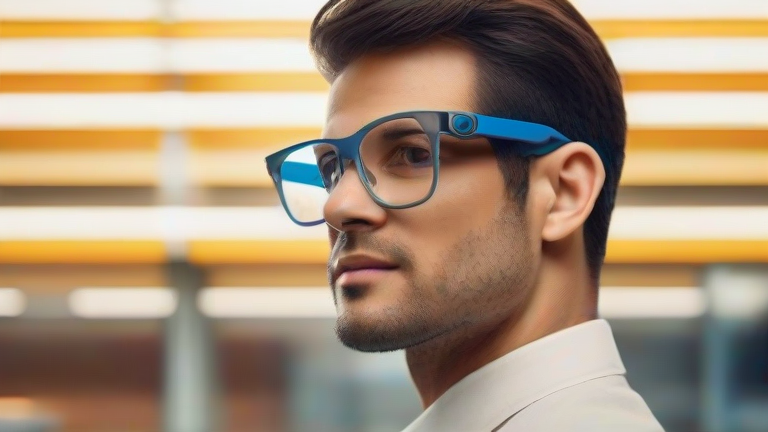
TL;DR: Smart glasses identify people with surprising speed but struggle with accuracy in low-light or crowded environments. They are best used as social aids rather than definitive security tools.
The Reality Behind the Hype
The promise of augmented reality glasses has captivated tech enthusiasts for years, but the core functionality of facial recognition remains a mixed bag. When we ask how well smart glasses really identify people, the answer is nuanced. While modern devices leverage advanced neural networks to process visual data in real-time, the practical application often falls short of sci-fi expectations.
If you want to dig deeper, check out our guide on It’s Not the Prettiest Job, But It Gets the Job Done.
Leading brands have integrated high-resolution cameras and edge computing capabilities directly into the frame. This allows for instant database matching without relying heavily on cloud connectivity. However, privacy concerns and hardware limitations create significant hurdles. In bright, controlled lighting conditions, identification rates can exceed ninety percent. In dimly lit rooms or when subjects are wearing accessories like sunglasses or hats, accuracy drops precipitously.
Feature Highlights and Comparisons
Current market leaders distinguish themselves through proprietary algorithms and ethical design choices. Unlike traditional security systems that store vast amounts of biometric data, many smart glasses now process information locally on the device. This enhances user privacy while reducing latency during identification tasks. Compared to smartphone apps, glasses offer a hands-free experience that feels more intuitive for social interactions.

When compared to dedicated facial recognition software, smart glasses provide context-aware alerts. They can whisper a name into your ear before you even make eye contact. However, this convenience comes with a trade-off in precision. Dedicated software often allows for higher resolution image capture and more sophisticated post-processing, leading to better accuracy in challenging scenarios. Smart glasses prioritize speed and discretion over perfect accuracy, making them ideal for casual social cues but unreliable for critical security applications.
Final Verdict
Smart glasses are not yet the omniscient companions depicted in movies. They serve as effective tools for reminding users of names and faces in familiar settings. However, users must remain skeptical of their reliability in public spaces. Always verify identity through other means when stakes are high.
Ready to experience the future of social interaction? Visit our official store today to explore the latest models and take advantage of our exclusive launch discount. Join thousands of early adopters who are redefining how they connect with the world around them. Don’t miss out on this revolutionary technology that blends the digital and physical realms seamlessly.
FAQ
Q: Do smart glasses store facial data on the cloud?
A: Most reputable models process data locally on the device to ensure user privacy and reduce latency.
Q: How does low light affect identification accuracy?
A: Low light significantly reduces accuracy because cameras struggle to capture clear facial features for matching.
Q: Can smart glasses identify strangers in public?
A: While technically possible, many models restrict this feature to comply with privacy laws and ethical guidelines.