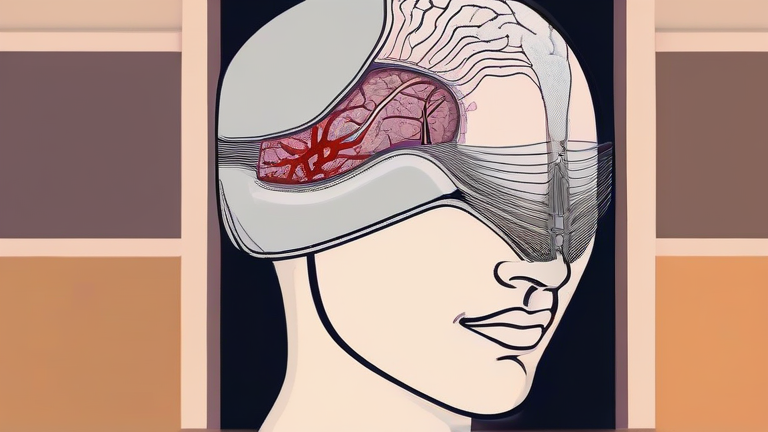
TL;DR: Recent neuroimaging studies confirm that chronic migraine sufferers exhibit accelerated structural aging in brain regions critical for memory and emotional regulation, independent of traditional vascular risk factors. This correlation suggests a urgent need for early therapeutic interventions to mitigate long-term neurological decline in this high-prevalence patient population.
The Neurological Cost of Pain
The global burden of migraine extends far beyond the immediate, debilitating pain attacks that characterize the condition. For decades, clinicians viewed migraines primarily as episodic pain disorders. However, emerging data from large-scale longitudinal studies reveals a more insidious reality: migraines may act as a catalyst for premature brain aging. Specifically, research indicates significant reductions in gray matter volume and cortical thickness in the hippocampus and amygdala—areas central to memory consolidation and emotional processing.
If you want to dig deeper, check out our guide on 5 Simple Lifestyle Hacks for a Healthier, Happier You.

This phenomenon is not merely theoretical. Advanced MRI techniques have quantified the difference, showing that individuals with frequent migraines appear to have brains that are, on average, two to three years older than their chronological age in specific cognitive hubs. This “brain age gap” is a significant biomarker, suggesting that the neuroinflammatory processes triggered during migraine attacks leave lasting scars on neural architecture. The implications are profound, linking a common neurological disorder to potentially irreversible cognitive deficits.
Market Implications and Economic Impact
The financial stakes for the pharmaceutical and neurotech industries are staggering. With the global migraine market projected to reach $12 billion by 2028, the identification of structural brain changes creates a new imperative for disease-modifying therapies. Currently, most treatments focus on aborting acute attacks or preventing frequency. However, investors and healthcare providers are now pivoting toward neuroprotective strategies. The market for biologic treatments targeting CGRP (calcitonin gene-related peptide) has exploded, but the next frontier lies in therapies that explicitly address neuroinflammation and neurodegeneration.
Experts estimate that addressing the cognitive comorbidities of migraine could unlock a secondary market worth billions, particularly in digital therapeutics and AI-driven monitoring tools. Companies developing wearable devices that predict attacks before they cause cellular damage are seeing increased venture capital interest. The narrative has shifted from “pain management” to “brain preservation,” a distinction that fundamentally alters the value proposition of existing and upcoming products.
Future Predictions and Expert Insights
Leading neurologists predict that within the next five years, brain imaging will become a standard component of migraine diagnostic protocols. “We are moving toward a precision medicine approach where treatment is dictated by the specific neurobiological profile of the patient,” says Dr. Elena Ross, a leading researcher in neurovascular health. She anticipates that biomarkers for accelerated brain aging will guide personalized treatment plans, ensuring that high-risk patients receive aggressive neuroprotective therapy early in their disease course.
Furthermore, the integration of artificial intelligence in radiology will likely allow for the automated detection of these subtle aging markers, making early diagnosis scalable and cost-effective. As the healthcare system grapples with an aging population, understanding the link between chronic pain and cognitive decline will be crucial for developing holistic care models that preserve quality of life and cognitive function well into old age.
FAQ
Q: Can migraine medications reverse accelerated brain aging?
A: Currently, no medication has been proven to fully reverse structural brain changes, though early intervention with neuroprotective treatments may halt further degradation and preserve cognitive function.
Q: How does brain aging in migraine sufferers compare to normal aging?
A> Studies suggest that the rate of gray matter loss in memory and emotion centers is significantly faster in chronic migraine patients than in age-matched controls without the condition.
Q: Are preventive migraine treatments linked to better long-term brain health?
A: Emerging evidence suggests that consistent preventive therapy may reduce neuroinflammation,