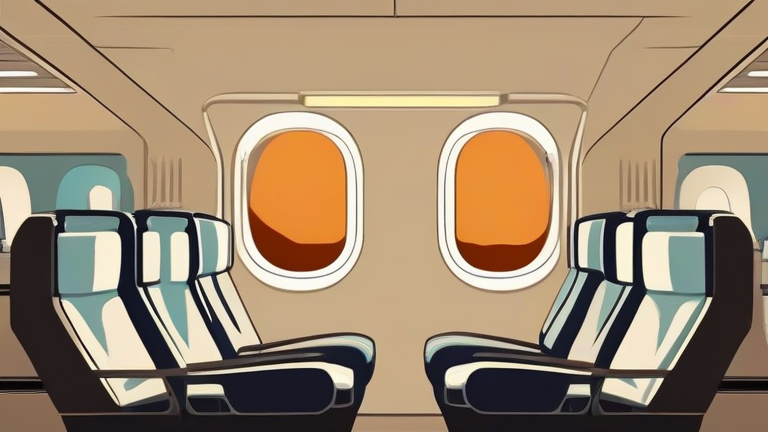
TL;DR: To sleep on a 14-hour flight in economy, prioritize creating a dark, quiet, and comfortable micro-environment using noise-canceling headphones, an eye mask, and supportive travel pillows. Secure your seat with strategic positioning and avoid heavy meals or caffeine close to your intended rest periods to maximize your chances of restorative sleep.
Prepare Your Gear Before Boarding
The foundation of a good night’s sleep in economy lies in preparation. Before you even step onto the plane, ensure you have the right tools. Invest in high-quality noise-canceling headphones, as engine hum and crying babies are the primary enemies of rest. Pair these with a comfortable, high-quality eye mask that blocks out all light, including the tiny LEDs on overhead bins and seatbacks. Bring a compact, inflatable travel pillow that supports your neck without pushing your head forward, which can cause strain. Additionally, pack a pair of warm socks and a lightweight blanket or a large scarf to layer over yourself, as cabin temperatures can fluctuate wildly throughout the flight.
If you want to dig deeper, check out our guide on Beyond the 4 Fats: What Type Is Left in Your Food?.
Optimize Your Seat and Posture
Once seated, your immediate goal is to create a cocoon of comfort. If you are in a window seat, this is significantly easier as you can lean against the wall for support. Use your bag or a small pillow to wedge behind your back to maintain spinal alignment. If you have an aisle seat, be mindful of cart traffic and use a neck pillow that locks your head in place to prevent it from jerking forward. Consider wearing loose, breathable clothing that does not restrict circulation. Tight waistbands can cause discomfort that disrupts sleep cycles, so opt for elastic waists and soft fabrics. Finally, adjust your seat recline only if it does not inconvenience the passenger behind you; finding this balance is crucial for maintaining social harmony while seeking comfort.
Manage Nutrition and Hydration
What you consume directly impacts your ability to fall asleep. Avoid heavy, greasy, or spicy meals immediately before you plan to sleep, as digestion can cause indigestion and disrupt rest. Instead, opt for a light snack if you are hungry. Crucially, limit your caffeine and alcohol intake. While a small drink might make you feel relaxed, alcohol disrupts the quality of your sleep and leads to dehydration, causing frequent awakenings. Stay hydrated with water, but pace yourself to minimize trips to the lavatory, which can break your sleep cycle. Aim to drink most of your water before your intended sleep window and sip slowly during the night.
Establish a Wind-Down Routine
Treat the flight like a hotel stay. Put on your eye mask and noise-canceling headphones with white noise, rain sounds, or a calming playlist. Close your eyes and practice deep breathing exercises to lower your heart rate. If you cannot sleep, do not stress; simply resting your body in a dark, quiet environment is still beneficial. Avoid staring at screens, as the blue light suppresses melatonin. Instead, listen to an audiobook or a podcast at a low volume to distract your mind from the discomfort of the seat. By consistently following these steps, you can significantly improve your sleep quality on long-haul flights.
FAQ
Q: What is the best seat to choose for sleeping on a long flight?
A: A window seat is generally considered the best option because it allows you to lean against the fuselage for support and gives you control over the window shade without disturbing others.
Q: How can I prevent my legs from swelling during a 14-hour flight?
A: Wear compression socks, stay hydrated, and perform simple ankle circles and leg stretches every hour to promote blood circulation and reduce the risk of swelling or deep vein thrombosis.
Q: Is it better to sleep immediately after takeoff or wait until the meal service?
A: It is usually better to sleep immediately after takeoff and settle into your seat, as the cabin will be quieter and you can establish a sleep rhythm before hunger or meal service disrupts your rest.