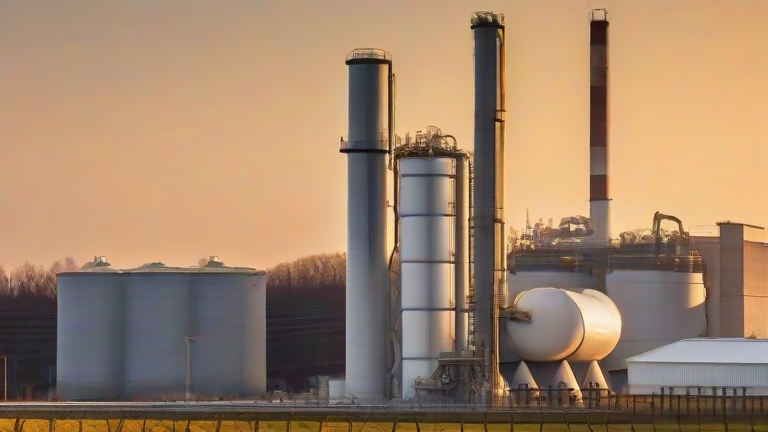
TL;DR: Cement plants can remove CO₂ from the atmosphere by integrating Carbon Capture, Utilization, and Storage (CCUS) technologies with their existing kiln processes. By capturing emissions at the source and utilizing them for mineral carbonation or permanent geological storage, these facilities can transition from carbon sources to carbon sinks.
Step-by-Step Instructions for Implementation
Step 1: Conduct a Comprehensive Carbon Audit Begin by mapping every emission source within your plant. Identify high-concentration streams, particularly from the kiln exhaust, which is easier to capture than diluted air. Use this data to determine the appropriate capture technology, such as post-combustion amine scrubbing or oxy-fuel combustion systems.
If you want to dig deeper, check out our guide on Buyitforlife: Your Favourite Things Made in Canada.
Step 2: Install Capture Infrastructure Retrofit your existing facilities with carbon capture units. For post-combustion capture, install absorber columns where flue gas contacts a solvent that selectively binds with CO₂. Ensure rigorous safety protocols are in place, as chemical solvents require careful handling and regeneration processes. Alternatively, consider oxy-fuel systems where pure oxygen is used for combustion, resulting in a flue gas composed primarily of CO₂ and water vapor, simplifying separation.
Step 3: Optimize Compression and Transport Once captured, the CO₂ must be compressed into a supercritical state for efficient transport. Install compressors and dryers to remove impurities like sulfur oxides and nitrogen, which can corrode pipelines. Establish a logistical plan for either pipeline transport to nearby storage sites or truck/shipping logistics for localized utilization projects.
Step 4: Choose Utilization or Storage Pathways Decide whether to store the CO₂ permanently or utilize it. For storage, inject the gas into deep saline aquifers or depleted oil and gas reservoirs. For utilization, explore mineral carbonation, where CO₂ reacts with cementitious materials like calcium silicates to form stable carbonates. This method not only stores carbon but can also enhance the strength of concrete products, creating a circular economy loop.
Step 5: Monitor, Report, and Verify Implement real-time monitoring systems to track capture rates and leakage risks. Regularly verify the integrity of storage sites or the longevity of utilized products. Accurate data collection is crucial for securing carbon credits and meeting regulatory compliance standards.
Pro Tips for Success
Collaborate with local communities and regulators early to secure social license and potential grants. Invest in employee training to manage new chemical processes safely. Finally, integrate renewable energy sources to power capture equipment, reducing the overall carbon footprint of the operation itself.
FAQ
Q: Is carbon capture at cement plants economically viable?
A: While initial costs are high, government incentives, carbon pricing mechanisms, and the potential to sell recycled CO₂ for industrial use are making projects increasingly financially sustainable.
Q: Can cement plants achieve net-zero emissions?
A: Yes, by combining efficiency improvements, alternative fuels, and large-scale carbon capture and storage, plants can offset remaining emissions and approach net-zero status.
Q: What is the main challenge in mineral carbonation?
A: The primary challenge is the reaction speed; natural mineral carbonation is slow, so industrial processes often require high pressure and temperature or engineered catalysts to accelerate the formation of stable carbonates.