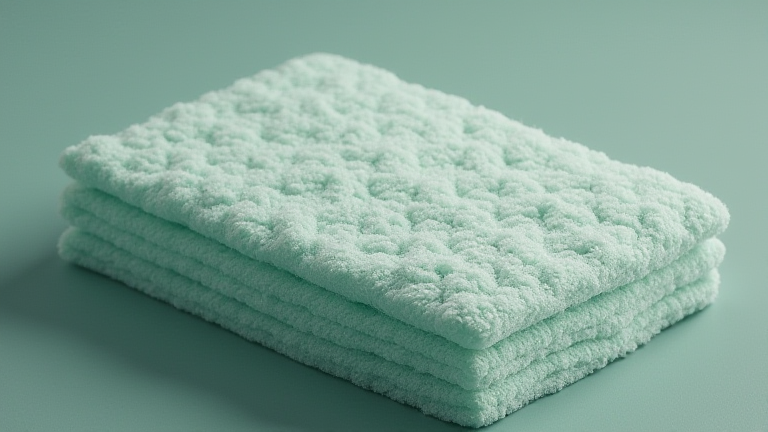
TL;DR: Most standard mattress cooling pads last between two to five years with proper care, while high-end gel-infused or active-cooling models may degrade faster due to complex electronic components. Regular washing and avoiding direct heat sources are the primary factors that determine whether your cooling pad reaches the end of its lifespan prematurely.
Why Cooling Technology Matters
For many sleepers, night sweats are a recurring nightmare that disrupts deep sleep cycles. Traditional memory foam retains body heat, creating a stifling microclimate. Enter mattress cooling pads, a solution designed to regulate temperature and enhance comfort. However, before investing in one, it is crucial to understand their durability. These are not permanent fixtures; they are consumable comfort layers that require periodic replacement to maintain their efficacy.
If you want to dig deeper, check out our guide on Toddler’s Death From Brain-Eating Amoeba: Lessons for Doctor.
Feature Highlights and Durability Factors
The lifespan of a cooling pad depends heavily on the technology used. Passive cooling pads, often made with phase-change materials (PCM) or breathable bamboo covers, tend to last longer. These simple mechanical solutions can endure five years or more if washed correctly. In contrast, active cooling systems featuring fans or water circulation involve motors and pumps. These electronic components have a shorter lifespan, typically ranging from two to three years, as mechanical parts wear out faster than static fabrics.
Key features to look for include machine-washable covers, which extend the life of the pad by preventing stain buildup and bacterial growth. Additionally, non-slip bottoms are essential for maintaining position on the mattress, preventing excessive friction that can tear the material. Gel-infused pads offer immediate cooling relief but may lose their thermal conductivity properties over time as the gel settles or degrades.
Comparing Materials: Gel vs. Breathable Fabrics
When comparing gel-infused pads against breathable mesh or bamboo options, the trade-off is often between immediate cooling sensation and long-term durability. Gel pads provide a cool-to-the-touch feel initially but may warm up after prolonged use as the gel reaches thermal equilibrium. They are also more susceptible to punctures. Breathable fabrics, while not as instantly cold, offer consistent temperature regulation through airflow and generally withstand the rigors of nightly use better than fragile gel layers.
Maximizing Your Investment
To ensure your cooling pad lasts as long as possible, follow manufacturer guidelines strictly. Avoid using high-heat dryers, as excessive heat can damage elastic fibers and melt gel components. Instead, air dry whenever possible. Rotate the pad periodically to ensure even wear. If you notice a significant decrease in cooling performance or visible damage to the material, it is time for a replacement. Ignoring these signs can lead to poor sleep quality and potential hygiene issues.
Investing in a high-quality cooling pad is a worthwhile decision for hot sleepers. By choosing a durable model and maintaining it properly, you can enjoy cooler nights for several years. Don’t let night sweats steal your rest. Explore top-rated cooling pads today and transform your sleep environment into a sanctuary of comfort and coolness.
FAQ
Q: How often should I wash my mattress cooling pad?
A: It is recommended to wash your cooling pad every two to four weeks, or more frequently if you sweat heavily, to maintain hygiene and cooling efficiency.
Q: Can I use a cooling pad with a heated mattress pad?
A: Generally, no. Combining heat sources can damage the cooling materials, reduce effectiveness, and potentially void the warranty of both products.
Q: What is the average lifespan of a gel-infused cooling pad?
A: Most gel-infused pads last between two and three years, depending on usage frequency and care, before the gel loses its thermal properties.