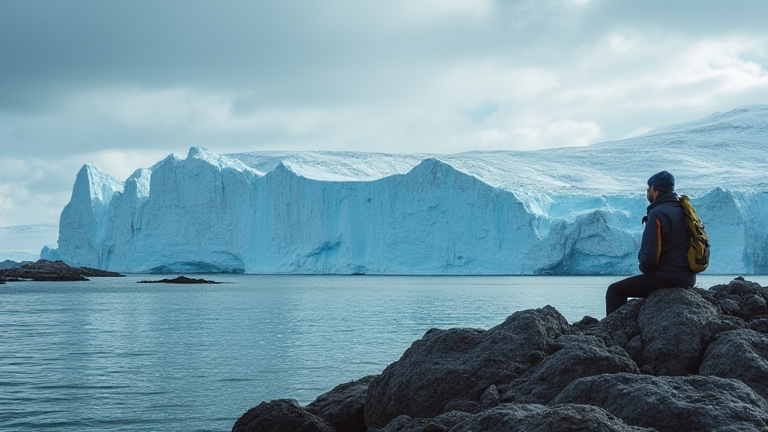
TL;DR: A 3.5-month solo journey through Latin America and Antarctica demands rigorous physical conditioning, strategic vaccination protocols, and robust mental resilience to handle isolation and extreme environmental shifts. Prioritizing sleep hygiene, immune system support, and psychological grounding techniques ensures a safe and transformative experience across diverse climates.
Embarking on a solo expedition across Latin America followed by an Antarctic crossing is not merely a vacation; it is an extreme physiological and psychological stress test. The transition from the humid tropics of the Amazon or the high altitudes of the Andes to the sterile, freezing isolation of the White Continent requires a meticulously planned health strategy. Science-backed preparation is your most valuable asset, far outweighing any gear you pack.
Physiological Preparation and Immune Defense
Before you board your first flight, your immune system must be fortified. Travel medicine specialists recommend a comprehensive review of vaccinations at least three months prior. Yellow fever is mandatory for many Latin American regions, while Hepatitis A and Typhoid are generally advised due to potential exposure to contaminated food or water. Furthermore, consider the impact of time zone changes on your circadian rhythm. Solo travelers often suffer from chronic jet lag, which suppresses immune function. Use melatonin supplements strategically, guided by your destination’s longitude, to reset your internal clock. Hydration is equally critical. In the high Andes, altitude sickness can mimic flu symptoms, leading to dangerous confusion. Acclimatization protocols, such as ascending gradually and maintaining high fluid intake with electrolytes, are non-negotiable for maintaining cognitive clarity and physical performance.
Mental Resilience and Isolation Management
The psychological aspect of solo travel is often underestimated. While Latin America offers vibrant social scenes, Antarctica presents profound solitude. Research on loneliness suggests that prolonged isolation can increase cortisol levels, leading to anxiety and depression. To combat this, establish a daily routine that includes mindfulness meditation or journaling. These practices help process the emotional weight of witnessing extreme natural beauty and confronting one’s own limitations. Connect with fellow travelers regularly through digital means, but set boundaries to avoid digital overload. The key is to balance human connection with the peace of solitude. Engage in “active mindfulness” by fully immersing yourself in the sensory details of your surroundings, whether it is the chaotic noise of a Mexican market or the deafening silence of an ice shelf.
Nutritional Strategy for Variable Environments
Dietary consistency is crucial for maintaining energy levels. In Latin America, street food is a cultural treasure but a vector for gastrointestinal distress. Choose establishments with high turnover to ensure freshness. Pack probiotic supplements to maintain gut flora balance during these dietary shifts. In Antarctica, while meals are usually provided, the cold increases caloric expenditure. Ensure you are consuming enough healthy fats and proteins to sustain body heat and muscle repair. Avoid excessive alcohol, which dehydrates the body and impairs judgment in critical environments.
Safety and Emergency Preparedness
Carry a comprehensive first-aid kit including antibiotics for travelers, antihistamines, and blister care. For solo travelers, safety means self-reliance. Share your itinerary with trusted contacts and use GPS tracking devices where signal is available. Trust your instincts; if a situation feels unsafe, leave immediately. Your health and safety are the foundations of a successful journey.
FAQ
Q: What are the most critical vaccinations needed for this trip?
A: Yellow fever is essential for many South American regions, while Hepatitis A, Typhoid, and routine vaccines like MMR should be up to date before departure.
If you want to dig deeper, check out our guide on 10 Easy Health Tips to Boost Your Energy and Well-being Toda.
Q: How can I manage loneliness during the Antarctic segment?
A: Maintain a daily routine, practice mindfulness or journaling, and schedule regular check-ins with loved ones via satellite communication devices.
Q: What is the best way to prevent altitude sickness in the Andes?
A: Acclimatize gradually by spending a few days at intermediate altitudes, stay hydrated, avoid alcohol, and consider acetazolamide if recommended by your doctor.