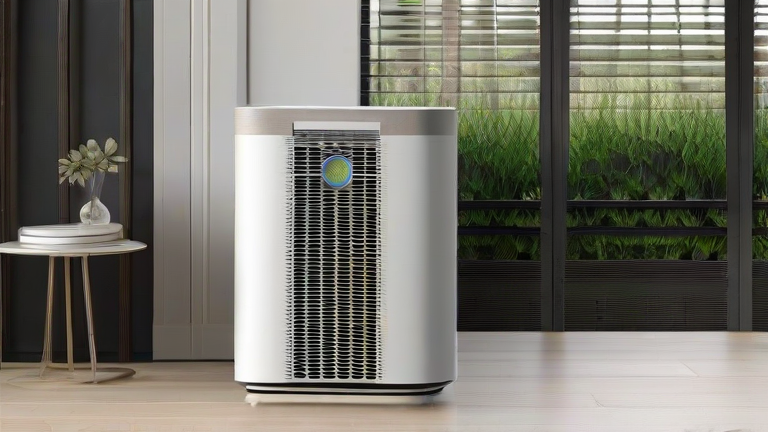
TL;DR: The best air purifier for allergies utilizes a True HEPA filter capable of capturing 99.97% of particles as small as 0.3 microns. Always verify the Clean Air Delivery Rate (CADR) matches your room size for maximum effectiveness against pollen, dust mites, and pet dander.
Understanding the Science of Allergy Relief
If you want to dig deeper, check out our guide on Cheap Batch Prep Black Bean & Lentil Chili: Only $1.93/Servi.
Allergies are an immune system overreaction to harmless substances like pollen, dust mites, and pet dander. These microscopic particles float in the air, triggering sneezing, itchy eyes, and congestion. While medication can manage symptoms, removing the trigger at the source is the most effective long-term strategy. Air purifiers act as a critical barrier, trapping these irritants before they can be inhaled or settle on surfaces. However, not all purifiers are created equal. The technology behind the filtration system determines its efficacy.
Why HEPA is the Gold Standard
High-Efficiency Particulate Air (HEPA) filters are the industry standard for allergy relief. To be certified as True HEPA, a filter must remove 99.97% of airborne particles that are 0.3 microns in diameter. This size is significant because it represents the most penetration particle size, meaning particles of this specific size are the hardest to capture. If a filter can catch particles of this size, it is even more effective at capturing larger and smaller particles. Larger particles include visible dust and pet hair, while smaller ones include bacteria and some viruses. Avoid “HEPA-type” or “HEPA-like” filters, as they often lack rigorous certification and may let significant amounts of allergens pass through.
Optimizing Your Environment
Purchasing the right unit is only half the battle. Placement and maintenance are equally important. Position the purifier in the room where you spend the most time, typically the bedroom or living room. Ensure it is placed against a wall or in a corner to allow for proper airflow circulation. Keep furniture at least two feet away from the unit to prevent obstructing the intake and output vents. Regular maintenance is crucial. Replace filters according to the manufacturer’s schedule, usually every six to twelve months. A clogged filter restricts airflow and reduces the purifier’s ability to clean the air efficiently. Additionally, pair your air purifier with other lifestyle changes. Keep windows closed during high pollen seasons to prevent outdoor allergens from entering. Use allergen-proof mattress and pillow encasings to minimize dust mite exposure in your sleeping area. Vacuum with a HEPA-equipped vacuum cleaner to avoid redistributing trapped allergens back into the air. By combining advanced filtration technology with consistent cleaning habits, you can significantly reduce your allergy symptoms. This holistic approach creates a sanctuary of clean air, allowing you to breathe easier and live more comfortably. The investment in a quality HEPA air purifier is an investment in your long-term respiratory health and overall well-being.
FAQ
Q: Do I need a HEPA filter or is a standard carbon filter enough?
A: A standard carbon filter only removes odors and gases, not particulate allergens. You need a True HEPA filter to trap pollen, dust, and dander effectively.
Q: How large should the air purifier be for my bedroom?
A: Check the CADR rating and ensure the unit is rated for a room size slightly larger than your actual bedroom to ensure adequate air changes per hour.
Q: Can an air purifier cure allergies?
A: No, it cannot cure allergies. However, it significantly reduces the concentration of airborne allergens, which can lessen the severity and frequency of allergic reactions.