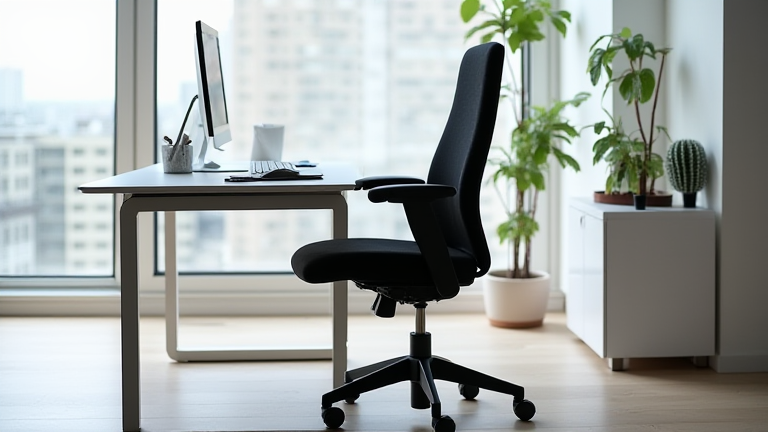
TL;DR: The best ergonomic office chairs for back pain relief now feature dynamic lumbar support and adjustable seat depth to maintain natural spinal alignment. Integrating smart sensors and sustainable materials represents the next wave of innovation in workplace health technology.
The modern workplace is undergoing a profound transformation, driven by an increasing awareness of health and wellness among employees. As remote work becomes a permanent fixture, the demand for high-quality ergonomic furniture has surged, specifically targeting the alleviation of chronic back pain. According to recent market analysis, the global ergonomic chair market is projected to grow at a compound annual growth rate of over 8% through 2030. This expansion is fueled by rising healthcare costs associated with musculoskeletal disorders and a corporate shift toward prioritizing employee well-being as a key productivity driver.
If you want to dig deeper, check out our guide on Why the Dyson Purifier Hot+Cool is the Top Home Appliance Tr.
The Evolution of Lumbar Support
Gone are the days when a simple curved backrest was sufficient for ergonomic support. Today’s leading chairs utilize dynamic lumbar support systems that adjust in real-time to the user’s movements. Experts from the International Ergonomics Association emphasize that static support often fails to accommodate the natural lordotic curve of the spine during prolonged sitting. Advanced models now offer independent adjustment of lumbar height and depth, ensuring that the lower back is consistently supported regardless of the user’s posture. This personalized approach reduces pressure on the intervertebral discs, significantly lowering the risk of developing chronic lower back pain.
Synching and Seat Depth Adjustments
Another critical trend is the widespread adoption of synchronized tilt mechanisms. These systems allow the seat and backrest to move in a coordinated manner, maintaining a consistent angle between the thighs and torso. This movement encourages active sitting, which engages core muscles and promotes better blood circulation. Furthermore, adjustable seat depth has become a standard feature in premium chairs. By allowing users to customize the distance between the seat edge and the backrest, these chairs prevent pressure behind the knees, a common cause of numbness and poor posture. Industry leaders note that proper seat depth adjustment is particularly vital for taller individuals who often struggle with standard one-size-fits-all designs.
Smart Technology and Future Predictions
The integration of smart technology into ergonomic furniture is rapidly accelerating. Future predictions suggest that chairs equipped with pressure sensors and AI-driven analytics will become commonplace. These smart chairs can monitor sitting habits, provide real-time feedback on posture, and even remind users to take standing breaks. This data-driven approach allows both employees and employers to track health metrics and make informed decisions about workspace ergonomics. Additionally, there is a growing emphasis on sustainability, with manufacturers increasingly using recycled materials and biodegradable components without compromising on durability or comfort.
FAQ
Q: What is the most important feature for relieving back pain?
A: Dynamic lumbar support that adapts to the natural curve of your spine is the most critical feature for effective back pain relief.
Q: How often should ergonomic chairs be replaced?
A: Experts recommend replacing ergonomic chairs every seven to ten years, depending on usage intensity and wear and tear on materials.
Q: Are standing desks a better alternative to ergonomic chairs?
A: Standing desks are beneficial but should be used in conjunction with ergonomic chairs, as alternating between sitting and standing is the optimal health strategy.