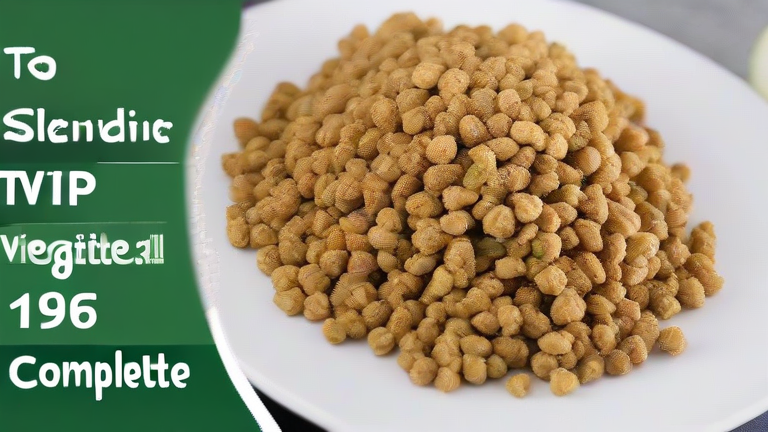
TL;DR: Textured Vegetable Protein (TVP) is a versatile, high-protein, low-fat meat alternative made from defatted soy flour, offering significant health benefits when incorporated into a balanced diet. By rehydrating this inexpensive ingredient, you can easily enhance the nutritional profile of your meals while reducing your environmental footprint.
What is TVP?
Textured Vegetable Protein, often referred to as Textured Soy Protein (TSP), is a meat substitute made from soy flour that has been processed to remove most of the fat and carbohydrates. The resulting product is a high-protein, fiber-rich food that mimics the texture of ground meat. It is produced by extruding soy flour, which gives it its characteristic chewy consistency. Because it is derived entirely from plants, TVP is an excellent option for vegetarians, vegans, and anyone looking to reduce their meat consumption for health or environmental reasons.
If you want to dig deeper, check out our guide on Best Ergonomic Office Chair for Back Pain Relief.
Nutritional Benefits
One of the primary reasons health enthusiasts are embracing TVP is its impressive nutritional profile. A single ounce of dry TVP provides approximately 12 to 13 grams of protein, making it a potent plant-based protein source. Unlike many animal proteins, TVP is virtually fat-free and contains no cholesterol. It is also rich in essential minerals such as iron, calcium, and magnesium, as well as B vitamins. Furthermore, TVP is a good source of dietary fiber, which aids in digestion, helps regulate blood sugar levels, and promotes satiety, potentially assisting with weight management. Research suggests that replacing animal protein with soy protein can help lower LDL cholesterol levels, contributing to better heart health.
Culinary Applications
Preparing TVP is remarkably simple and requires minimal effort. To use it, you simply rehydrate the dry flakes or granules by soaking them in hot water, vegetable broth, or a seasoned liquid for about ten to fifteen minutes. Once rehydrated, the TVP absorbs the flavors of the liquid, making it a versatile canvas for various cuisines. It works exceptionally well in chili, tacos, pasta sauces, and soups. Because it has a neutral flavor profile, it pairs well with robust spices and sauces. For best results, sauté the rehydrated TVP with onions, garlic, and your favorite seasonings before adding it to your dish to enhance its texture and taste.
Environmental and Economic Impact
Beyond personal health, choosing TVP has positive implications for both the planet and your wallet. Soy production generally requires less water, land, and energy compared to beef production. By swapping out ground beef for TVP in your weekly meals, you significantly reduce your carbon footprint. Additionally, TVP is incredibly cost-effective. It is one of the most affordable protein sources available, making it an ideal choice for budget-conscious households. Its long shelf life also means less food waste, as dry TVP can be stored in a pantry for months without refrigeration.
FAQ
Q: Is TVP gluten-free?
A: Yes, pure TVP made from soy is naturally gluten-free, but always check the label to ensure it was processed in a facility that does not handle wheat.
Q: Can I eat TVP raw?
A: No, TVP should not be eaten dry or raw; it must be rehydrated in liquid and typically cooked to improve its texture and digestibility.
Q: Does TVP taste like soy?
A: Unseasoned TVP has a very mild, neutral flavor that absorbs the taste of sauces and spices, so it does not inherently taste strongly of soy.