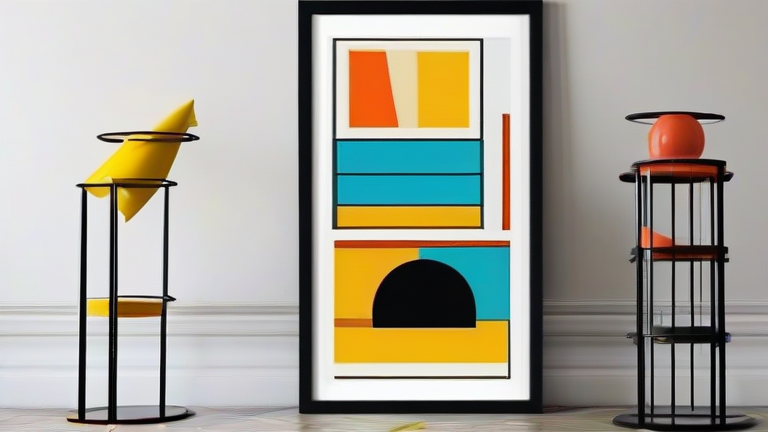
1980s Poster Holders: Vintage Finds Still in Great Condition
TL;DR: To find high-quality 1980s poster holders, focus on estate sales and specialized vintage markets where items have been stored in dry, climate-controlled environments. Inspect the metal for rust and the acrylic or glass for cracks, ensuring the mechanism functions smoothly without any sticking or misalignment before purchasing.
Step 1: Identify Authentic Styles and Materials
The 1980s saw a boom in graphic design and pop culture memorabilia, leading to a surge in demand for poster display solutions. The most common holders from this era were made of lightweight aluminum or chrome-plated metal frames, often paired with clear acrylic or tempered glass. Some models featured a “snap-on” lid mechanism, while others used a simple clip system that allowed for easy poster replacement. Look for distinct 80s design cues, such as bold geometric lines, bright primary colors on the frame edges, or specific branding from major retailers of the time. Understanding these material and design signatures is crucial for distinguishing original vintage pieces from modern reproductions, which often lack the specific patina and weight of authentic items.
Step 2: Sourcing from Reliable Channels
While online marketplaces like eBay or Etsy offer vast inventory, they can be a minefield of mislabeled items. For the best condition pieces, prioritize local estate sales, garage sales, and antique fairs. Items stored in attic spaces or basements of homes built in the 80s are often untouched by sunlight and humidity, two of the primary enemies of vintage paper and metal. When browsing online, filter by “vintage” rather than just “retro,” and read seller descriptions carefully. Look for keywords like “untested,” “from a non-smoking home,” or “original packaging.” If you are buying online, request multiple high-resolution photos of the corners and the locking mechanism, as these areas are prone to damage that is often hidden in wide-angle shots.
Step 3: Detailed Inspection and Testing
Once you have a potential candidate, perform a thorough physical inspection. Start by checking the frame for any signs of rust, particularly at the joints and the feet. Rust is not just cosmetic; it indicates water damage that may have warped the internal components. Next, examine the transparent front. Acrylic tends to yellow over time, while glass may have micro-scratches that become visible under direct light. Hold the holder up to a bright light source to check for internal fogging or trapped debris. Finally, test the mechanism. If it is a latching style, ensure the latch clicks firmly into place without excessive force. If it is a clip style, verify that the clips have sufficient tension to hold a poster securely without sagging. A loose mechanism will not only look sloppy but will also put stress on the poster, potentially causing it to curl or tear over time.
Step 4: Cleaning and Maintenance
Before displaying your new find, clean it properly. Use a soft, lint-free microfiber cloth for the glass or acrylic. Avoid using paper towels, which can scratch the surface. For the metal frame, use a dry cloth or a slightly damp one with mild soap to remove dust and grime. Do not use abrasive cleaners or steel wool, as these will strip the original finish. If there is stubborn rust, use a specialized metal rust remover, but apply it sparingly to avoid damaging the surrounding paint or plating. Store your holder in a dry place when not in use, and consider using a silica gel packet inside the frame to absorb any residual moisture that could affect the poster or the metal components.
FAQ
Q: Are 1980s poster holders valuable?
A: Generally, they are not highly valuable collectibles unless they are branded by a famous designer or are part of a specific limited edition series. However, they are affordable decorative items that are difficult to find in pristine condition.
If you want to dig deeper, check out our guide on 5 DIY Decor Ideas to Style Your Curtains (Under 70 Chars).
Q: Can I use these holders for digital prints?
A: Yes, you can print your own designs at a professional print shop to fit