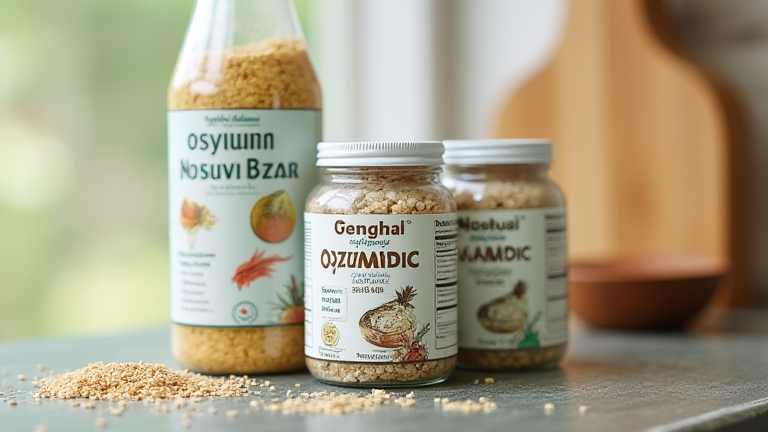
TL;DR: Psyllium husk is not a magic weight-loss drug but a potent dietary fiber that supports gut health and modest satiety. Experts confirm it can aid weight management when paired with lifestyle changes, but it lacks the metabolic power of prescription GLP-1 agonists.
The Buzz Around the Bowl
In the current wellness landscape, social media has crowned psyllium husk as “Nature’s Ozempic.” This label suggests a miraculous, effortless path to weight loss, mirroring the popularity of injectable GLP-1 agonists. However, beneath the viral hype lies a nuanced story rooted in nutrition science and sustainable health practices. To understand the reality, we must look beyond the marketing and examine how this humble seed hull interacts with our bodies and daily lives.
If you want to dig deeper, check out our guide on Best Ergonomic Office Chair for Back Pain Relief.
Fiber’s Role in Modern Dining
Psyllium is a soluble fiber that forms a gel in the digestive tract. This mechanism slows gastric emptying, providing a sense of fullness that can naturally reduce caloric intake. From a culinary perspective, this makes it an excellent addition to smoothies, yogurt bowls, or even baked goods. It transforms a standard breakfast into a more satiating meal, encouraging mindful eating habits. Unlike pharmaceutical interventions, psyllium works gently, supporting the microbiome and improving bowel regularity. For many, the benefit lies not in rapid weight loss, but in establishing a consistent, healthy relationship with food.
Managing Expectations and Lifestyle Integration
Experts emphasize that no food supplement can replace the comprehensive effects of medical treatments for obesity. The “Ozempic” comparison is misleading because psyllium does not affect hormone signaling related to appetite in the same way. Instead, it is a tool for long-term wellness. Integrating psyllium into a diet requires adequate water intake to prevent digestive discomfort. It is best viewed as part of a broader strategy that includes balanced nutrition, regular movement, and adequate sleep. The cultural shift toward plant-based solutions reflects a desire for control and natural health management, but it must be grounded in realistic expectations.
FAQ
Q: Does psyllium husk burn fat directly?
A: No, psyllium husk does not burn fat. It aids weight management by increasing satiety and improving digestive health, which may indirectly support caloric control.
Q: Can I take psyllium if I have IBS?
A: Many people with IBS find psyllium helpful for regulating bowel movements, but you should consult a healthcare provider first to ensure it suits your specific condition.
Q: How much water should I drink with psyllium?
A: You must drink a full glass of water with psyllium and continue hydrating throughout the day to prevent constipation or intestinal blockage.