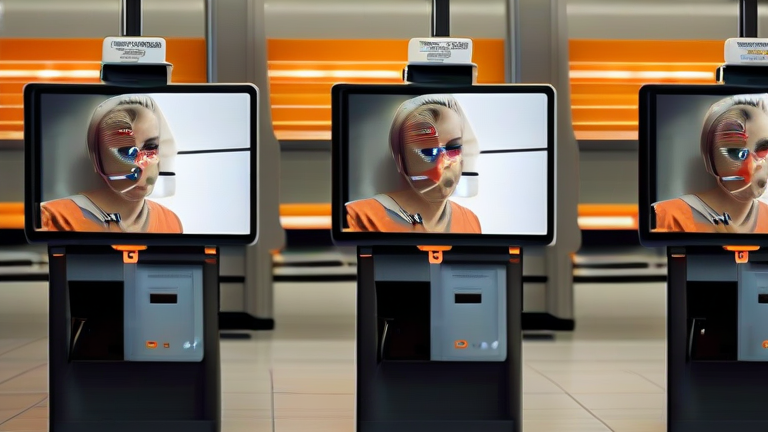
Sainsbury’s Halts AI Facial Recognition After Shoplifting Error
TL;DR: Sainsbury’s has suspended its AI facial recognition system after it incorrectly flagged a customer as a shoplifter. This guide explains the incident, the technical failures involved, and the steps retailers are taking to ensure safer, fairer security practices moving forward.
Understanding the Incident
The decision to halt the AI program stems from a significant error where the system misidentified an innocent shopper as a suspect. This highlights the critical risks associated with deploying complex artificial intelligence in high-stakes retail environments. When automated systems make erroneous judgments, the consequences can range from public embarrassment to legal liability. Understanding why this happened is the first step for any business looking to implement or audit similar technology.
If you want to dig deeper, check out our guide on 35 Types of Return & Refund Fraud (And How to Spot Them).
Step-by-Step Analysis of the Failure
Step 1: Review the Trigger Mechanism. Identify exactly what data points led to the false positive. In this case, the AI likely relied on incomplete or biased training data that failed to account for diverse facial features or specific lighting conditions in the store. Analyzing the input data is crucial for diagnosing the root cause.
Step 2: Assess Human Oversight Protocols. Determine if store staff were properly trained to override AI alerts. A robust system should treat AI signals as suggestions, not definitive proof. The error suggests that either the alert was too confident or staff lacked the authority to dismiss it without further verification.
Step 3: Evaluate Privacy and Ethical Compliance. Check if the deployment aligned with local data protection laws and ethical guidelines. Facial recognition technology raises serious privacy concerns, and any implementation must prioritize customer consent and transparency. If these standards were not met, the halt was a necessary corrective action.
Step 4: Develop a Remediation Plan. Before restarting any similar initiative, retailers must engage with diverse user groups to test the system extensively. This includes blind testing in various environments to ensure accuracy across different demographics and scenarios.
Tips for Retailers
Always prioritize human judgment over automated alerts in security scenarios. Implement clear guidelines that allow staff to disregard AI suggestions if they do not match observed behavior. Finally, maintain open communication with customers about data usage to build trust and transparency.
FAQ
Q: Why did Sainsbury’s stop using the AI?
A: The system made a critical error by falsely accusing a customer of shoplifting, leading to immediate suspension to prevent further harm.
Q: Can AI facial recognition be trusted in retail?
A: Not without significant human oversight and rigorous testing; current technology often lacks the reliability needed for high-stakes security decisions.
Q: What should stores do instead?
A: Retailers should focus on a hybrid approach where AI supports, but never replaces, trained staff who make final security judgments based on direct observation.