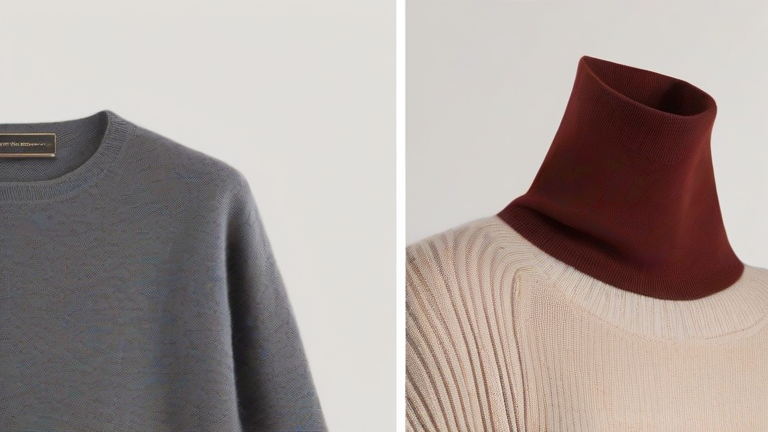
TL;DR: The “quiet luxury” aesthetic is driving record cashmere sales by shifting consumer preference from visible logos to subtle, high-quality craftsmanship. This trend is fueled by a desire for durability and understated elegance, resulting in a significant surge in premium knitwear purchases across global markets.
The Rise of Understated Elegance
The fashion industry has undergone a seismic shift in recent years, moving away from the conspicuous consumption of the 2010s toward a more refined, minimalist approach known as “quiet luxury.” This movement, characterized by neutral palettes, impeccable tailoring, and premium materials without overt branding, has profoundly impacted the knitwear sector. Cashmere, long considered a staple of high-end wardrobes, has seen unprecedented demand as consumers seek garments that embody this new philosophy of status through quality rather than quantity. The appeal lies in the tactile experience and the longevity of the fiber, offering a sense of investment rather than impulse.
If you want to dig deeper, check out our guide on Viral ‘De-Flock America’ Campaign Urges AI Camera Destructio.
Market Data and Consumer Behavior
Recent market analyses indicate a robust growth trajectory for the cashmere market. According to recent reports from Grand View Research, the global cashmere market size was valued at approximately $11.5 billion in 2022 and is projected to grow at a compound annual growth rate (CAGR) of over 5% through 2030. This growth is not uniform, however; it is disproportionately skewed toward high-end, ethically sourced products. Luxury retailers have reported that cashmere sweaters are among their top-selling items for the winter season, with some brands noting a 20% to 30% increase in sales year-over-year. Consumers are increasingly willing to pay a premium for verified authenticity and sustainable sourcing, recognizing that true luxury lies in the provenance of the material. The rise of direct-to-consumer models has also allowed brands to educate buyers on the care and value of cashmere, further driving repeat purchases.
Expert Insights on the Trend
Industry experts suggest that this trend is a reaction to the excesses of the previous decade. “Quiet luxury is about signaling wealth through taste and restraint,” explains Sarah Chen, a senior analyst at a leading fashion consultancy. “Cashmere is the perfect vehicle for this because its value is intrinsic. You don’t need a logo to know it is expensive; you can feel it.” This sentiment is echoed by retail strategists who note that younger demographics, particularly Gen Z and Millennials, are prioritizing long-term value over fast fashion. They view a high-quality cashmere sweater as a timeless asset that transcends seasonal trends, aligning with their broader lifestyle choices that favor sustainability and ethical production.
Future Predictions and Challenges
Looking ahead, the cashmere market faces both opportunities and challenges. The demand for transparency in supply chains is intensifying, with consumers demanding proof of ethical animal welfare and environmental responsibility. Brands that fail to adapt to these expectations risk losing market share to competitors who can substantiate their claims. Furthermore, technological advancements in fiber testing and traceability are expected to play a crucial role in building consumer trust. The future of quiet luxury will likely see a deeper integration of digital innovation, such as blockchain for supply chain tracking, to reinforce the authenticity of premium products. As the trend matures, we may see a diversification of materials, with cashmere blends offering more accessible entry points into the quiet luxury lifestyle without sacrificing quality.
FAQ
Q: Is quiet luxury only for high-income consumers?
A: No, while the aesthetic is associated with luxury, the trend emphasizes value and longevity, making quality basics accessible to a broader audience willing to invest less frequently.
Q: How can consumers distinguish real cashmere from synthetic blends?
A: Look for certifications, feel the fabric for softness and weight, and check the label for 100% cashmere or high-percentage blends; genuine cashmere feels warmer and lighter than synthetics.
Q: Will the quiet luxury trend last?
A: Most experts predict it will persist as a foundational style rather than a fleeting fad,