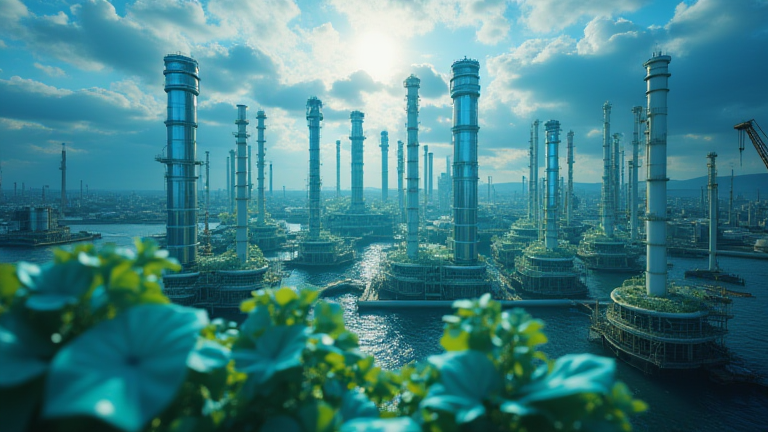
TL;DR: Green hydrogen offers a viable pathway for deep decarbonization in heavy industry, replacing fossil fuels in high-temperature processes without generating carbon emissions. However, its current scalability is limited by high production costs and infrastructure gaps, requiring significant policy support and technological advancement to compete with gray hydrogen.
Introduction: The Imperative for Change
Industrial sectors such as steel, chemicals, and cement account for nearly forty percent of global energy-related carbon dioxide emissions. These industries are notoriously difficult to electrify due to the extreme temperatures and chemical processes involved. Green hydrogen, produced via electrolysis using renewable electricity, emerges as a critical solution. By replacing fossil-based hydrogen and thermal energy, it allows these sectors to meet net-zero targets while maintaining production integrity. This review examines the current landscape of green hydrogen scaling, focusing on technological maturity, economic viability, and strategic implementation for industrial players.
If you want to dig deeper, check out our guide on Why Tonal Training Is Replacing Home Gym Equipment.
Feature Highlights of Green Hydrogen Infrastructure
The primary feature of green hydrogen is its zero-emission profile. Unlike gray hydrogen, which relies on natural gas and emits significant carbon, green hydrogen’s only by-product is oxygen. Modern electrolyzers, particularly proton exchange membrane (PEM) and solid oxide electrolyzer cell (SOEC) technologies, offer high efficiency and flexibility. PEM electrolyzers excel in rapid response to variable renewable energy inputs, making them ideal for pairing with wind and solar farms. SOECs, operating at higher temperatures, can utilize industrial waste heat to boost efficiency, presenting a synergistic opportunity for heavy manufacturing plants. Additionally, the modularity of newer electrolyzer designs allows for scalable deployment, enabling companies to start with smaller pilot projects and expand capacity as demand and infrastructure improve.
Comparative Analysis: Green vs. Gray Hydrogen
When comparing green and gray hydrogen, the economic disparity remains the most significant hurdle. Currently, gray hydrogen is cheaper to produce due to established infrastructure and lower upfront capital costs. However, this comparison is shifting as renewable electricity prices continue to decline and carbon pricing mechanisms become more stringent globally. Green hydrogen’s long-term total cost of ownership is increasingly favorable when carbon taxes are factored in. Furthermore, the market for green hydrogen is growing rapidly, driven by corporate sustainability mandates and international trade regulations like the EU’s Carbon Border Adjustment Mechanism. Companies adopting green hydrogen now are positioning themselves as early adopters, gaining a competitive advantage in markets that prioritize low-carbon supply chains. While gray hydrogen offers immediate cost savings, it carries substantial regulatory and reputational risks that could erode profitability in the coming decade.
Strategic Call-to-Action
Industrial leaders must not wait for perfect market conditions to begin integrating green hydrogen. The technology is ready for commercial deployment, but infrastructure and supply chains need time to mature. We recommend starting with a comprehensive carbon audit to identify high-heat process areas where hydrogen can replace natural gas. Partner with renewable energy providers to secure long-term power purchase agreements, ensuring stable energy costs. Furthermore, engage with local policymakers to advocate for hydrogen-specific incentives and infrastructure development. By acting now, you reduce future compliance risks and secure a sustainable competitive edge. The window for strategic advantage is open; close it in your favor by committing to a phased decarbonization roadmap today.
FAQ
Q: What is the primary barrier to scaling green hydrogen?
A: The high cost of renewable electricity and the capital expenditure required for new electrolyzer infrastructure remain the main barriers, though costs are decreasing rapidly.
Q: Can green hydrogen be stored for long-term use?
A: Yes, green hydrogen can be stored in underground salt caverns, pipelines, or compressed gas cylinders, making it suitable for seasonal energy storage and long-distance transport.
Q: How does green hydrogen impact supply chain resilience?
A: It enhances resilience by diversifying energy sources away from volatile fossil fuel markets and reducing dependency on imported fuels, particularly for countries with abundant renewable resources.