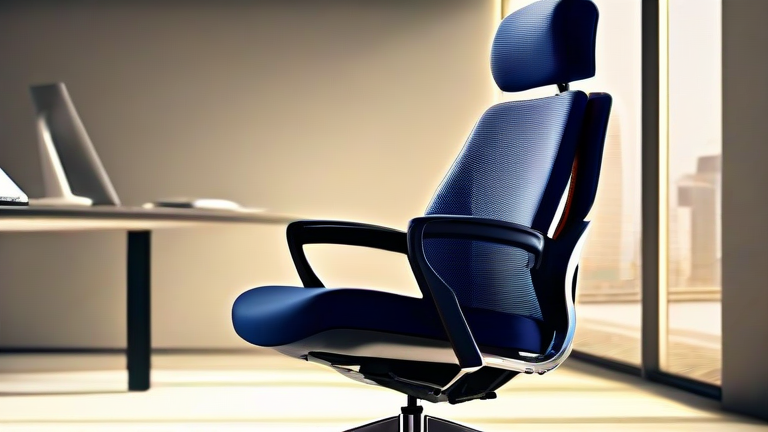
Top 10 Ergonomic Office Chairs for Back Pain Relief
TL;DR: The best ergonomic office chairs for back pain relief combine adjustable lumbar support with breathable mesh materials and customizable armrests. Choosing a chair that fits your specific body dimensions is more critical than brand recognition for long-term spinal health.
Sitting for eight or more hours a day can wreak havoc on your spine, leading to chronic lower back pain, neck stiffness, and poor posture. The solution is not just any office chair, but a meticulously designed ergonomic chair that actively supports your natural spinal curvature. In this review, we analyze the top contenders that consistently receive praise from chiropractors, physical therapists, and long-haul remote workers. These chairs are selected based on their ability to distribute weight evenly, promote active sitting, and offer extensive adjustability to fit various body types.
If you want to dig deeper, check out our guide on Why Do We Avoid Fat? Calories or Other Reasons?.
Feature Highlights: What to Look For
When hunting for pain relief, specific features matter more than aesthetics. First and foremost, look for independent lumbar support. Many premium chairs allow you to adjust the height, depth, and firmness of the lumbar pad, ensuring it hits the exact spot where your spine curves inward. Secondly, consider the material. Breathable mesh backs are superior to vinyl or fabric because they reduce heat buildup and allow for slight give, which can alleviate pressure points. Additionally, adjustable armrests are non-negotiable. Proper arm support takes the strain off your shoulders and neck, preventing the hunched posture that exacerbates upper back pain. Finally, check the seat depth. If the seat extends too far behind your knees, it cuts off circulation; if it is too short, it fails to support your thighs. A chair with a seat depth adjuster allows you to find the perfect balance, typically leaving two to three inches of space between the back of your knees and the seat edge.
Comparing the Top Contenders
While we list ten top performers, three models stand out for distinct user needs. The Herman Miller Aeron remains the gold standard for breathability and structural integrity, offering a suspended seat that reduces pressure on the legs. However, it lacks a built-in lumbar pad, relying instead on the chair’s shape to support the spine, which may not suit everyone. For those who need explicit lumbar adjustment, the Steelcase Leap V2 is a formidable competitor. It features a live-back support system that mimics the movement of a natural back, adjusting dynamically as you shift positions. This makes it ideal for users who are not perfectly still. On the other hand, the Herman Miller Sayl offers a sleek, frameless design that provides robust support at a slightly lower price point. It is excellent for users with average to tall stature who prefer a minimalist look without sacrificing ergonomic function. Each of these chairs represents a different philosophy in ergonomics: static support, dynamic adaptation, and structural simplicity. Your choice should depend on whether you move frequently while sitting or prefer a fixed, supportive posture.
Final Verdict and Call to Action
Investing in the right chair is an investment in your daily comfort and long-term health. Do not settle for a generic office chair that offers only basic functionality. Evaluate your specific pain points and choose a model that addresses them directly. Whether you opt for the premium feel of the Aeron, the dynamic support of the Leap, or the value of the Sayl, prioritize adjustability. Start your search today by measuring your workspace and comparing current sales on these top-rated models. Your back will thank you with every hour of comfortable, pain-free work. Click below to explore detailed specs and current pricing for these ten exceptional chairs.
FAQ
Q: How long does it take to adjust to a new ergonomic chair?
A: Most users adapt within two to four weeks. Your body needs time to retrain its muscle memory to maintain the new, healthier posture, so patience is key during the initial transition period.
Q: Is a more expensive chair always better for back pain?
A: Not necessarily. While premium chairs offer more features, a mid-range chair that fits your body