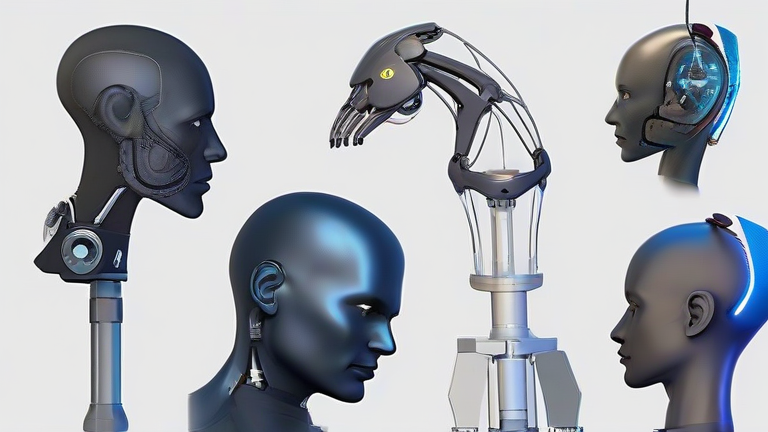
TL;DR: Brain-Computer Interfaces (BCIs) decode neural signals from the motor cortex to control prosthetic limbs without physical movement. This technology translates thoughts into digital commands, allowing users to grasp objects and move fingers with intuitive precision.
The Symbiosis of Mind and Machine
Imagine waking up in the morning, reaching for your coffee cup, and feeling the warm ceramic against your fingertips without any physical hand to do it. For individuals with limb loss, this is no longer a distant fantasy but a tangible reality driven by rapid advancements in neuroscience and engineering. The intersection of technology and human physiology is creating a new genre of personal empowerment, one that transforms daily routines into acts of profound independence. This is not just about medical necessity; it is about reclaiming agency and redefining what it means to be fully present in the world around us.
If you want to dig deeper, check out our guide on How to Critique a Family Member’s AI Novel Without Ruining t.
Decoding the Language of Thought
At its core, a Brain-Computer Interface acts as a translator between the human brain and external devices. The process begins in the motor cortex, the area of the brain responsible for planning and executing movement. Even when a limb is absent, the neural pathways often remain active. When a person intends to move a finger or grasp an object, specific neurons fire in a recognizable pattern. Advanced BCI systems, such as those developed by leading research institutions, utilize microelectrodes implanted directly into the brain’s surface or tissue. These sensors detect the electrical impulses generated by these neurons, capturing the subtle fluctuations that correspond to specific motor intentions.
From Signal to Action
Once captured, these neural signals are transmitted to an external processor or a cochlear implant-like device. Sophisticated algorithms, often powered by machine learning, interpret these complex patterns. The system learns the unique “neural signature” of each user over time, refining its accuracy as it observes how the brain encodes different movements. For instance, a specific burst of activity might indicate the intention to close a hand, while another pattern might signal the desire to extend the thumb. The processor translates this interpreted intent into digital commands that drive the actuators in a robotic prosthetic. The result is a fluid, real-time response where the movement of the prosthetic hand mirrors the user’s mental command with minimal latency, creating a seamless loop of intention and execution.
A New Horizon for Personal Growth
The implications of this technology extend far beyond the medical field, touching deeply into the realms of culture and personal identity. For many users, regaining the ability to perform simple tasks like buttoning a shirt or shaking hands restores a sense of dignity and social confidence that may have been eroded after an injury. It is a form of personal growth that is both technical and emotional. As these devices become more refined, they promise to integrate sensory feedback, allowing users to feel texture and temperature, further blurring the line between the biological and the synthetic. This evolution encourages a cultural shift in how we perceive disability, moving from a model of limitation to one of adaptation and enhancement. It challenges us to rethink the boundaries of the human body and the potential of human ingenuity.
FAQ
Q: Is BCI technology currently available for general consumer use?
A: No, it is currently limited to clinical trials and specific medical applications for individuals with severe disabilities or paralysis.
Q: How long does it take to learn to control a BCI prosthetic?
A: Training varies by individual, but most users achieve basic proficiency within weeks, with advanced control developing over several months of practice.
Q: Can the system distinguish between different types of hand movements?
A: Yes, modern systems can differentiate between various grasps, such as pinching, power grips, and precision grasps, based on distinct neural firing patterns.