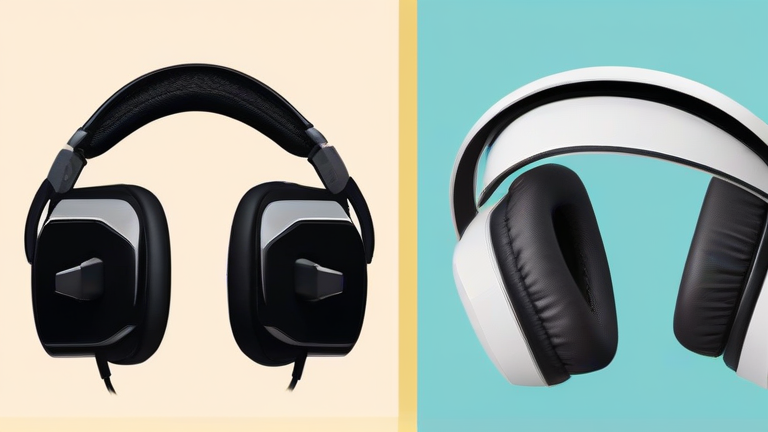
TL;DR: Apple Vision Pro is the superior choice for immersive media consumption and high-end development, while Meta Quest 3 offers the best value for casual gaming and mixed reality. Your decision should hinge on whether you prioritize display fidelity and ecosystem integration over price and standalone accessibility.
The Contenders: A Brief Overview
The battle between Apple and Meta has defined the extended reality landscape for years, but 2024 marks a pivotal moment where both companies have released headsets that target distinctly different user bases. Apple’s Vision Pro, launched in early 2024, represents the pinnacle of spatial computing, utilizing a unique “Passthrough” approach that blends digital content with the real world rather than immersing users in a fully virtual environment. Conversely, Meta’s Quest 3, released in late 2023, focuses on standalone functionality, combining VR and AR capabilities into a single, affordable device that does not require a tether to a PC or phone.
If you want to dig deeper, check out our guide on 7 Simple Daily Habits for Better Health You Can Start Today.
Technical Specifications and Performance
Apple’s device sets a new benchmark for visual fidelity. It features two custom R1 chips for real-time processing and an M2 chip for overall system performance. The micro-OLED displays offer an effective resolution of 23 million pixels, significantly outclassing the Quest 3’s LCD panels which total roughly 3.8 million pixels. This translates to a sharper, more comfortable viewing experience with less screen door effect. Battery life remains a challenge for both; the Vision Pro uses an external battery pack to keep the headset lightweight, while the Quest 3 offers roughly two hours of continuous VR usage, a limitation that has been a persistent complaint in the industry.
Industry Impact and Ecosystem
The impact of these devices on the broader tech industry cannot be overstated. Apple is pushing the concept of “spatial computing,” aiming to replace the flat screen with a flexible canvas that exists in your physical space. This approach has spurred competitors to rethink their hardware designs, focusing more on eye-tracking and hand gestures as primary input methods. Meta, on the other hand, is dominating the consumer gaming market. By keeping the Quest 3 at an accessible price point, Meta has ensured that millions of users can enter the XR space without a significant financial barrier. This mass adoption is crucial for building a robust social and gaming ecosystem, which Apple is still working to cultivate with its limited library of spatial apps.
Final Verdict
Ultimately, the “worth” of buying either device depends entirely on your use case. If you are a developer, a professional looking for high-fidelity media consumption, or a tech enthusiast who wants the best possible hardware regardless of cost, the Apple Vision Pro is the undisputed winner. However, for the average consumer interested in gaming, social VR, and affordable mixed reality experiments, the Meta Quest 3 remains the pragmatic and highly recommended choice. The market is currently bifurcated, with Apple serving the premium segment and Meta capturing the mass market, ensuring that both companies will continue to drive innovation in their respective niches.
FAQ
Q: Can I use Apple Vision Pro without a PC?
A: Yes, it is a standalone device, though it can connect to Macs for enhanced workflows.
Q: Is the Meta Quest 3 better for gaming?
A: Generally yes, due to a larger library of exclusive titles and a lower price point.
Q: Do both devices support eye tracking?
A: Yes, both headsets feature advanced eye-tracking technology for foveated rendering and input.