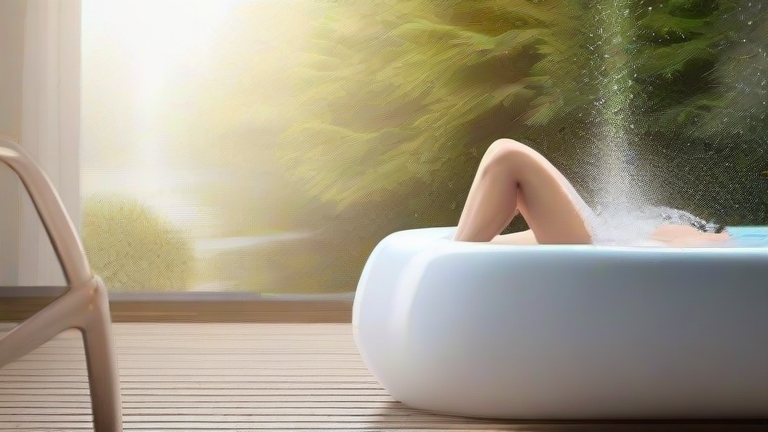
7 Scientifically Proven Benefits of Cold Plunge Therapy
TL;DR: Cold plunge therapy reduces inflammation and accelerates muscle recovery while significantly boosting mood and energy levels. It also enhances cardiovascular health and improves cognitive focus through controlled stress exposure.
In recent years, cold water immersion has transitioned from a niche practice to a mainstream wellness strategy. Often referred to as cold plunging, this technique involves submerging your body in water below 15 degrees Celsius. While the initial shock is intense, the physiological benefits are profound and backed by emerging scientific research. Here are seven key advantages that might convince you to take the dip.
If you want to dig deeper, check out our guide on $28k AI Course: Learn the Job Nobody Understands.
First, cold plunging significantly reduces muscle soreness and inflammation. Studies suggest that cold exposure decreases the production of pro-inflammatory cytokines, which helps speed up recovery after intense exercise. This makes it an ideal tool for athletes looking to maintain peak performance without extended downtime.
Second, it enhances mental resilience and mood regulation. The act of enduring the initial shock triggers the release of norepinephrine and dopamine, neurotransmitters associated with improved mood and alertness. Many practitioners report a lasting sense of euphoria and reduced symptoms of anxiety after their sessions.
Third, regular cold exposure boosts immune function. Research indicates that it increases the production of white blood cells, which are essential for fighting off infections. By regularly challenging your body with cold, you may train your immune system to respond more effectively to pathogens.
Fourth, it improves cardiovascular health. Cold water causes blood vessels to constrict, increasing blood pressure and heart rate. As you warm up, vessels dilate, improving circulation. This dynamic process can strengthen the heart and improve overall vascular health over time.
Fifth, cold plunging aids in weight loss and metabolism. Exposure to cold activates brown adipose tissue, or brown fat. Unlike white fat, which stores energy, brown fat burns calories to generate heat. Regular activation of brown fat can increase your basal metabolic rate, helping you burn more calories at rest.
Sixth, it enhances cognitive function and focus. The heightened alertness caused by the cold stress response sharpens mental clarity. Many users find that they are more productive and focused throughout the day after a morning plunge, attributing this to the increased flow of norepinephrine to the brain.
Seventh, it improves skin and hair health. Cold water tightens pores and boosts blood circulation to the skin, promoting a healthy glow. It also helps seal the hair cuticle, adding shine and reducing breakage. For those with skin conditions, the anti-inflammatory properties can provide temporary relief.
To start, begin with short durations, such as 30 seconds to one minute, and gradually increase as your tolerance builds. Always listen to your body and stop if you feel dizzy or unsafe. Consulting a healthcare provider is recommended before starting any new extreme therapy, especially if you have pre-existing heart conditions.
FAQ
Q: How cold should the water be for a cold plunge?
A: Ideally, the water temperature should be between 10 and 15 degrees Celsius (50-59 Fahrenheit). Beginners may start at the higher end of this range and gradually decrease the temperature as their tolerance improves.
Q: How long should I stay in the cold water?
A: Start with 30 seconds to one minute. As you become more accustomed to the sensation, you can gradually increase the duration to three to five minutes. It is crucial to avoid hypothermia and listen to your body’s signals.
Q: Is cold plunging safe for everyone?
A: While generally safe for healthy individuals, it is not suitable for everyone. People with heart disease, hypertension, or Raynaud’s disease should avoid it. Always consult with a healthcare professional before beginning a cold exposure regimen.