Cooked vs Blended Oatmeal: Taste, Texture & Benefits
TL;DR: Cooked oatmeal offers a traditional, creamy texture and is generally more satiating due to its slower digestion, making it ideal for sustained energy. Blended oatmeal provides a convenient, quick-preparation option with a smoother, custard-like consistency, though it may digest faster and require more careful portion control for optimal satiety.
The Science of Satiety and Digestion
When choosing between cooked and blended oatmeal, understanding the physiological impact is crucial. Cooking oats involves applying heat to the starches, which gelatinizes them. This process breaks down the protein matrix that holds the starch granules together, making the oats easier for your digestive enzymes to access. However, studies suggest that cooked oats, particularly steel-cut or old-fashioned varieties, retain a higher fiber density in their structure compared to pre-blended powders. This intact fiber structure slows down gastric emptying, leading to prolonged feelings of fullness. Conversely, blending oats into a fine powder increases the surface area exposed to digestive enzymes. While this accelerates nutrient absorption, it can also lead to a faster spike and subsequent drop in blood glucose levels. For those managing insulin sensitivity or weight, the slower digestion profile of cooked oats is often superior for maintaining stable energy levels throughout the morning.
If you want to dig deeper, check out our guide on Landing Page Not Converting? 7 Fixes to Boost Sales.
Taste and Texture Profiles
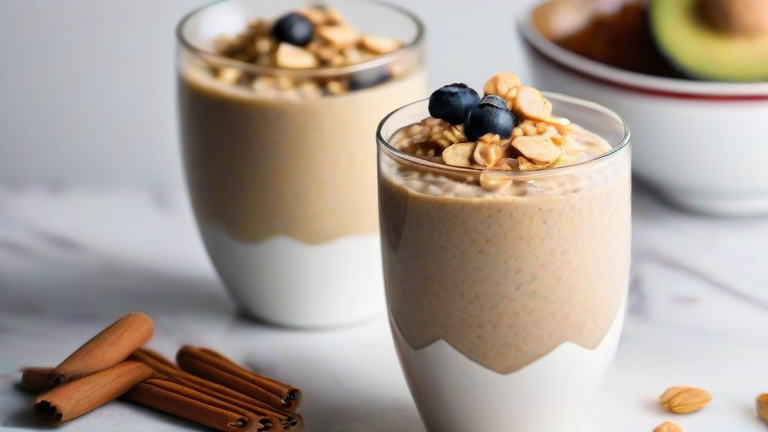
Texture is the primary differentiator for many consumers. Cooked oatmeal, especially when using steel-cut oats, provides a hearty, chewy, and robust mouthfeel. The individual grains remain distinct, offering a satisfying bite that pairs well with chunky toppings like nuts and fresh berries. In contrast, blended oatmeal creates a uniform, silky, and almost creamy consistency. This smooth texture is reminiscent of a custard and allows for easier mixing of flavorings such as vanilla extract or cinnamon. Blended oats absorb liquid more rapidly, resulting in a thicker consistency without the need for long simmering times. If you prefer a delicate, smooth breakfast, blending is the clear winner. However, if you crave a substantial, chewy experience that stands up to heavy toppings, traditional cooking is preferable. Both methods allow for significant flavor customization, but the base texture dictates the final sensory experience.
Lifestyle Tips for Optimal Nutrition
Regardless of your method, maximizing the health benefits of oats requires mindful preparation. First, always choose whole, unprocessed oats. Avoid instant packets that contain added sugars, sodium, or artificial preservatives. If you opt for blended oatmeal, consider pre-mixing the powder with your preferred liquids and storing it in the refrigerator for up to three days. This “overnight” method mimics the soaking process, slightly lowering the glycemic index and improving digestibility. For cooked oats, try adding a tablespoon of chia seeds or ground flaxseed after cooking to boost omega-3 fatty acid content without altering the texture significantly. Additionally, pairing your oatmeal with a source of healthy fat, such as a drizzle of nut butter, can further slow digestion and enhance the absorption of fat-soluble vitamins. By tailoring your preparation method to your lifestyle and health goals, you can enjoy the versatile benefits of oats every morning.
FAQ
Q: Does blending oats destroy their nutrients?
A: No, blending does not destroy significant nutrients; however, it may slightly increase the glycemic index by making the starches more accessible to digestion.
Q: Which method is better for weight loss?
A: Cooked oats are generally better for weight loss because their slower digestion promotes greater satiety and helps prevent overeating later in the day.
Q: Can I make blended oatmeal without a blender?
A: Yes, you can use a food processor or even a mortar and pestle to grind rolled oats into a fine powder, though it requires more manual effort.