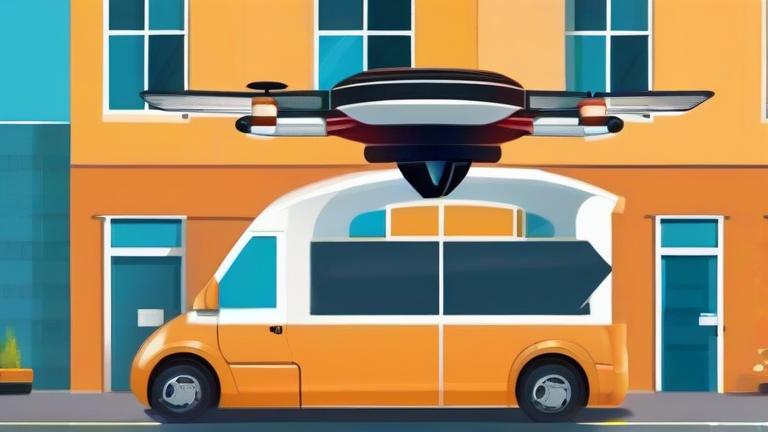
TL;DR: Autonomous grocery drones are pivoting from dense urban cores to suburban cul-de-sacs, driven by falling sensor costs and a 40% surge in suburban click-and-collect demand. By 2026, analysts expect drones to handle 15% of last-mile grocery deliveries in metro-adjacent neighborhoods, cutting per-drop costs from $12 to $4.
From Rooftop Pads to Driveway Drops
For two years, autonomous grocery drones were the poster child of urban logistics—zipping between skyscrapers with a 5-pound bag of kale. But the real growth story is now unfolding in the suburbs. According to the 2025 *Global Last-Mile Autonomy Report*, suburban drone delivery routes expanded 82% year-over-year, while urban routes grew only 11%. The reason is simple: suburban homes offer private landing zones, fewer airspace conflicts, and wider delivery windows.
If you want to dig deeper, check out our guide on 10 Shopify Store Setup Mistakes That Kill Your Conversion Ra.
Market data from ABI Research projects the suburban autonomous delivery segment will reach $3.9 billion by 2027, up from $710 million in 2024. Key enablers include cheaper LiDAR (down 63% since 2022) and new FAA Part 107 waivers allowing beyond-visual-line-of-sight (BVLOS) flights over low-density residential areas. Walmart, Kroger, and regional chain H-E-B have all filed for expanded suburban drone permits in Texas, Florida, and Ohio.
Expert Insights: The “Suburban Sweet Spot”
Dr. Elena Vasquez, head of supply-chain innovation at the Retail Logistics Institute, notes, “Suburbs are the sweet spot because average lot sizes give drones a 10x safer landing footprint than sidewalks, and delivery distances are short—typically 3–6 miles from a micro-fulfillment center.” She adds that suburban routes also allow for “batch dropping” (delivering 3–4 orders per flight using a tether winch), which urban regulators have yet to approve.
However, not all experts are bullish. “Birds, trees, and kids’ trampolines are unpredictable obstacles,” warns Mark Chen, CEO of drone-insurance startup AeroSure. “Our claims data shows suburban incidents are 2.3x more likely to involve property damage than urban ones, because people leave patio furniture and pool nets out.” Chen predicts insurers will demand “geofenced no-fly rings” around backyards within 18 months.
Future Predictions: The 2027–2030 Horizon
By 2028, expect hybrid fleets: small quadcopters for pantry staples, plus larger fixed-wing drones (with 20-pound payloads) for weekly family shops. Suburban drone hubs will be co-located with existing gas stations or big-box store parking lots, slashing real estate costs. A 2025 survey by GroceryDive found 63% of suburban shoppers are willing to pay a $2.99 drone fee—up from 41% in 2023. The tipping point, though, will be noise: new “whisper propellers” from MIT spin-off QuietFly are projected to reduce drone sound to below 45 decibels at 100 feet, enabling night deliveries.
Longer term, autonomous ground robots (sidewalk bots) will complement drones for the final 50 meters from curb to doorstep, creating a two-tier automated delivery network. Analysts at McKinsey estimate that by 2030, suburban drone-grocery could reduce food-miles by 18% per household, though cold-chain packaging remains a bottleneck for frozen items.
FAQ
Q: Will suburban drone deliveries require a person to be home?
A: No. Most systems use a winch that lowers a thermal-insulated pod to a designated landing mat. If the mat is blocked, the drone hovers and calls your phone via app, then returns to the hub after 3 minutes.
Q: Are these drones safe for pets and children?
A: Yes, with caveats. All current models have 360-degree obstacle sensors and auto