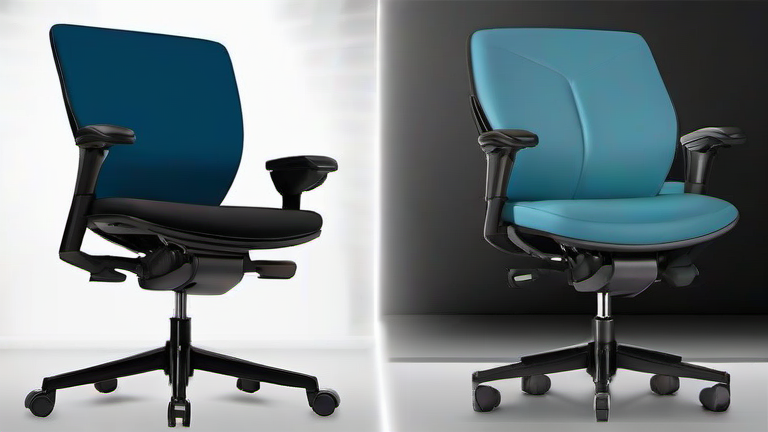
TL;DR: The best ergonomic office chairs for back pain are those that offer adjustable lumbar support, seat depth, and recline tension to maintain a neutral spine. For most users, the Herman Miller Aeron or Steelcase Leap 2 provide the optimal balance of comfort, durability, and spinal alignment.
Why Ergonomics Matter for Your Spine
Spending eight or more hours a day sitting can lead to significant musculoskeletal issues, particularly lower back pain. The human spine is not designed to remain static for long periods. Without proper support, the natural curve of the lumbar spine can flatten, leading to muscle strain, disc compression, and chronic discomfort. An ergonomic chair is not merely a luxury; it is a critical piece of equipment for maintaining long-term health and productivity. The right chair adapts to your body, not the other way around, ensuring that your hips, knees, and shoulders remain in healthy positions throughout the workday.
If you want to dig deeper, check out our guide on Nvidia Buys HuggingFace: Goodbye Open Source?.
Top Features to Look For
When selecting a chair for back pain relief, specific features are non-negotiable. First, look for **adjustable lumbar support**. Static padding often fails to accommodate the unique curvature of your lower back. Adjustable mechanisms allow you to position the support exactly where you feel the strain. Second, **seat depth adjustment** is crucial. If the seat is too deep, it presses against the backs of your knees, cutting off circulation. If it is too shallow, your thighs lack support. You should be able to slide the seat forward and back to maintain a two-to-three-finger gap between the edge of the seat and your back knee.
Additionally, **recline tension and angle** are vital. A chair that allows you to lean back while maintaining lumbar support encourages micro-movements, which prevent stiffness. Finally, **breathable materials** like mesh are highly recommended. Heat buildup can cause restlessness, leading to poor posture as you shift constantly to find comfort.
Head-to-Head Comparison
The **Herman Miller Aeron** remains the gold standard for many. Its Pellicle mesh material provides superior breathability and conforms to the body without sagging. The adjustable lumbar support is intuitive and effective. However, it can feel firm initially, requiring an adjustment period. On the other hand, the **Steelcase Leap 2** offers a more traditional cushioned seat that many find more comfortable for all-day sessions. It features a LiveBack support system that moves with you, making it exceptionally good for dynamic work styles. While the Aeron is slightly more expensive, the Leap 2 often undercuts it in price while offering comparable support quality. For those on a tighter budget, the **HON Ignition 2.0** is an excellent value, offering many of the same adjustments as premium models at a fraction of the cost.
Make the Switch Today
Your back health is an investment that pays dividends in comfort and productivity. Do not settle for a chair that hurts you. Evaluate your current setup, identify the pain points, and choose a chair that addresses them directly. Most reputable manufacturers offer trial periods or warranties, so take advantage of them to ensure the chair fits your specific needs. Click the link below to compare current prices and find the perfect ergonomic chair for your workspace. Your spine will thank you.
FAQ
Q: How long does it take to adjust to a new ergonomic chair?
A: It typically takes one to two weeks for your muscles to adapt to the new support structure. During this period, minor discomfort is normal as your body learns its neutral position.
Q: Is mesh or foam better for back pain?
A: Mesh is often better for those who experience heat-related discomfort or need firm, consistent support. Foam is preferable for users who prefer a softer, more cushioned feel and do not run hot.
Q: Can an ergonomic chair cure existing back injuries?
A: No, a chair cannot cure medical conditions. However, it can prevent further aggravation and reduce daily strain