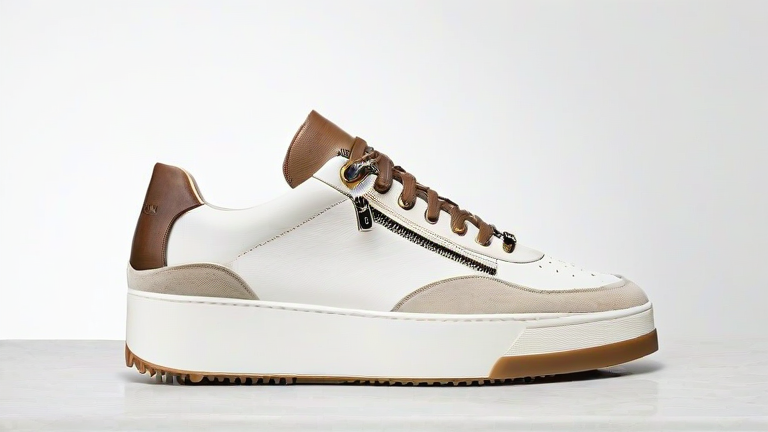
TL;DR: The quiet luxury sneaker trend is surging because affluent consumers are shifting away from loud logos toward high-quality, understated designs that signal status through craftsmanship rather than branding. This movement is driven by a post-pandemic desire for versatility and a rejection of conspicuous consumption in favor of subtle, enduring style.
The Shift from Logomania to Understated Elegance
The sneaker industry has undergone a radical transformation over the past five years, moving from the era of hyper-visible collaborations and giant logos to a new aesthetic known as “quiet luxury.” This trend is not merely a passing fad but a significant structural shift in consumer behavior, particularly among high-net-worth individuals who are redefining what constitutes luxury fashion. According to recent market data from Bain & Company, the global luxury market is projected to reach $1.5 trillion by 2025, with a notable percentage of growth attributed to categories that prioritize substance over spectacle. Sneakers, once the domain of streetwear hype, are now being curated by luxury houses like Loro Piana, The Row, and Bottega Veneta, which are selling out collections within minutes of release despite the absence of recognizable brand markings.
If you want to dig deeper, check out our guide on Linus Torvalds Launched Linux 35 Years Ago as a Hobby.
This shift is fueled by a cultural fatigue with conspicuous consumption. In an era where digital saturation makes loud branding easy to replicate and share, the true elite are seeking exclusivity through subtlety. Expert insights from fashion analysts suggest that the “quiet luxury” sneaker serves as a status symbol that is only recognized by those in the know. This creates a sense of insider belonging that loud logos cannot replicate. For instance, a plain white leather sneaker costing over $1,000 from a niche luxury brand signals to the wearer and their peers that they value materials and fit over mass-market recognition. This psychological dynamic is driving a surge in demand for premium materials, such as Italian calf leather and sustainable rubber compounds, which justify the higher price points and reinforce the product’s position as a long-term investment rather than a disposable trend item.
Market Dynamics and Consumer Behavior
Market data indicates that consumers aged 25 to 45 are leading this charge, representing the largest demographic for quiet luxury purchases. These buyers are less influenced by influencer marketing and more driven by peer recommendations and editorial content that emphasizes quality and durability. Retailers have noticed a distinct change in return rates; while hype-beast sneakers often have high return rates due to sizing or disappointment, quiet luxury sneakers exhibit lower return rates because the customer is more invested in the product’s longevity and fit. This suggests a higher level of buyer satisfaction and a deeper alignment between the product and the consumer’s lifestyle needs.
Furthermore, the trend is heavily influenced by the “work-from-anywhere” lifestyle. The blurring of lines between professional and casual attire has created a demand for footwear that can transition seamlessly from a boardroom to a casual dinner. Quiet luxury sneakers, often designed with minimalist silhouettes and neutral color palettes, fulfill this functional need perfectly. They are comfortable enough for all-day wear but sophisticated enough to pair with tailored trousers or high-end casual wear. This versatility is a key driver of the trend, as consumers seek to reduce the number of items in their wardrobe while maximizing their utility. The ability to own fewer, higher-quality items aligns with broader sustainability trends, where consumers are increasingly mindful of the environmental impact of fast fashion and overconsumption.
Future Predictions and Industry Outlook
Looking ahead, industry experts predict that the quiet luxury sneaker trend will continue to grow, potentially becoming the dominant aesthetic in the luxury footwear sector by 2026. We can expect to see more traditional luxury houses investing heavily in their sneaker divisions, focusing on limited-edition releases that emphasize artisanal craftsmanship. The use of technology will also play a crucial role, with brands incorporating advanced materials that enhance comfort and sustainability without compromising the minimalist aesthetic. For example, we might see the integration of 3D-knitted uppers that offer a sock-like fit and reduced waste, further appealing to the conscious consumer.
However, the trend is not without its challenges. The high price points and limited availability can create barriers to entry, potentially alien