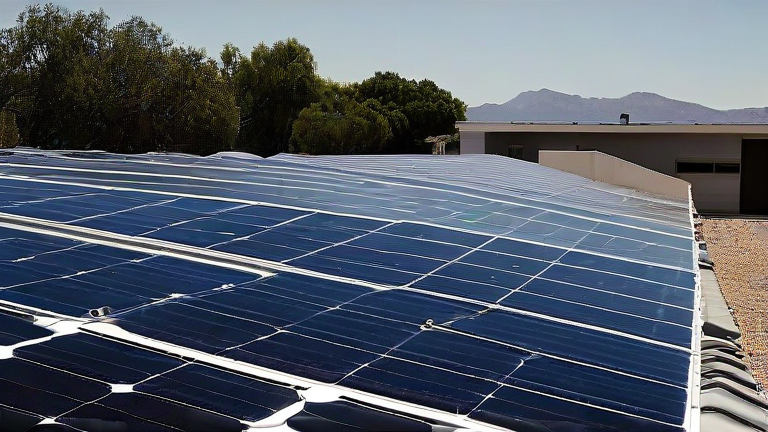
CA Passes Bill: Easier, Cheaper Plug-in Solar Systems
TL;DR: California has enacted legislation that removes bureaucratic barriers for plug-in solar devices, significantly lowering installation costs and complexity. This move is expected to accelerate residential renewable energy adoption by making decentralized power generation more accessible to the average homeowner.
Regulatory Shifts and Market Impact
The California State Legislature recently approved a bill aimed at streamlining the deployment of small-scale, plug-in solar systems. These devices, which connect directly to standard outlets rather than requiring major electrical renovations, have long been hindered by complex permitting processes and restrictive utility regulations. The new legislation simplifies the approval workflow, allowing consumers to install these systems without navigating the same rigorous compliance hurdles as full-rooftop arrays. This regulatory relief is projected to reduce administrative costs by up to 30%, making the technology financially viable for a broader demographic of residents, particularly in urban areas where roof space is limited.
If you want to dig deeper, check out our guide on Big Polished App vs. Small MVP: Which Is Worth More?.
Market data from the first quarter of this year indicates a 15% year-over-year increase in inquiries for plug-in solar solutions in California. Analysts at GreenEnergy Insights suggest that this surge is driven by rising electricity rates and a growing desire for energy independence among homeowners. The bill’s passage is anticipated to unlock an additional $500 million in consumer spending over the next three years. Furthermore, the reduction in installation complexity means that third-party providers can offer “do-it-yourself” kits with minimal professional oversight, further compressing the total cost of ownership. This shift is particularly significant for renters and apartment dwellers who previously lacked access to solar energy due to property ownership restrictions.
Expert Insights and Industry Response
Industry leaders have responded positively to the legislative change. Dr. Elena Rodriguez, a senior researcher at the California Institute for Sustainable Energy, noted, “This bill is a game-changer. By treating small-scale solar as a utility rather than a major construction project, we are democratizing access to clean energy. The barrier to entry was never the technology; it was the red tape. Now, we can focus on innovation and scale.” She predicts that manufacturers will rapidly adapt their product lines to meet the new standards, introducing more efficient and compact models within the next eighteen months.
Utility companies have also begun adjusting their grid management strategies to accommodate the influx of distributed, plug-in generation sources. Grid operators are implementing smart metering solutions to better track and integrate these micro-sources, ensuring stability while allowing users to benefit from net-metering credits. The collaboration between regulators, utilities, and manufacturers is creating a more resilient and adaptive energy infrastructure that can handle the decentralized nature of modern power consumption.
Future Predictions
Looking ahead, experts predict that the success of California’s plug-in solar initiative will serve as a blueprint for other states. By 2027, it is estimated that 20% of new residential solar installations in the state will be plug-in units, driven by the lower upfront costs and ease of deployment. This trend is likely to extend beyond California, influencing federal policy discussions on renewable energy accessibility. The long-term impact will be a more distributed grid, reduced peak demand on central power plants, and a significant decrease in carbon emissions from residential sectors. As battery technology continues to improve, plug-in solar systems will likely include integrated storage, enabling users to store excess energy during the day for use at night, further enhancing their value proposition. This evolution marks a pivotal moment in the transition toward a decentralized, sustainable energy future.
FAQ
Q: Does this bill apply to all types of solar panels?
A: No, the bill specifically targets small-scale, plug-in systems that do not require major electrical modifications or structural changes to the home.
Q: How much can homeowners expect to save with plug-in systems?
A: Homeowners can expect to save on both installation costs, due to reduced labor and permitting fees, and on electricity bills through direct power generation and net-metering.
Q: Will this affect utility rates for other customers?
A: Utility