Lab-Grown Leather: The Future of Sustainable Fashion
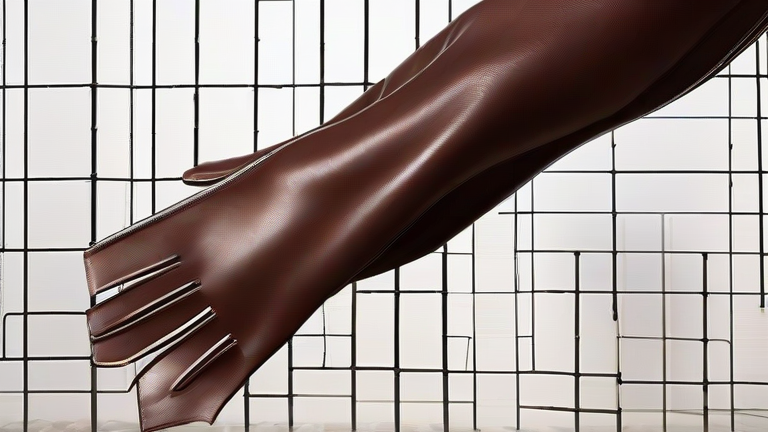
Imagine a world where your favorite leather jacket doesn’t cost a cow its life, nor does it scar the Earth through deforestation and chemical runoff. This is no longer a distant dystopian fantasy or a utopian dream; it is the rapidly accelerating reality of bio-fabricated materials. Lab-grown leather, often referred to as cultured, cellular, or bio-leather, represents a paradigm shift in the global fashion industry. By utilizing cell culture technology, scientists can now grow animal-free leather in a controlled laboratory environment, offering a solution that is ethically sound, environmentally sustainable, and technically superior to traditional methods.

The science behind this innovation is rooted in biotechnology. Unlike traditional leather, which requires raising, slaughtering, and tanning animals, lab-grown leather starts with a small sample of animal cells. These cells are placed in a nutrient-rich medium within a bioreactor, where they multiply and form a collagen matrix. This matrix is then processed to create a material that is structurally and aesthetically similar to genuine leather but without the environmental baggage. The process eliminates the need for vast amounts of land, water, and feed, significantly reducing the carbon footprint associated with livestock farming. Furthermore, it bypasses the toxic tanning processes that often pollute water sources in traditional leather production hubs.
If you want to dig deeper, check out our guide on 10 Proven Health Tips to Boost Your Energy and Well-Being To.
Latest Developments and Technical Specifications
Recent years have seen exponential growth in this sector. Companies like Modern Meadow and Bolt Threads have moved beyond prototype stages, launching commercial products that challenge the status quo. Modern Meadow’s Zoa material, for instance, is derived from yeast-derived collagen, offering a highly durable and consistent texture. On the technical front, these materials are being engineered to match the tensile strength, abrasion resistance, and breathability of animal leather. Recent specifications indicate that bio-leathers can achieve a lifespan comparable to traditional hides, addressing one of the primary concerns of critics who question durability. Additionally, researchers are working on customizing the material’s grain, thickness, and color during the growth phase