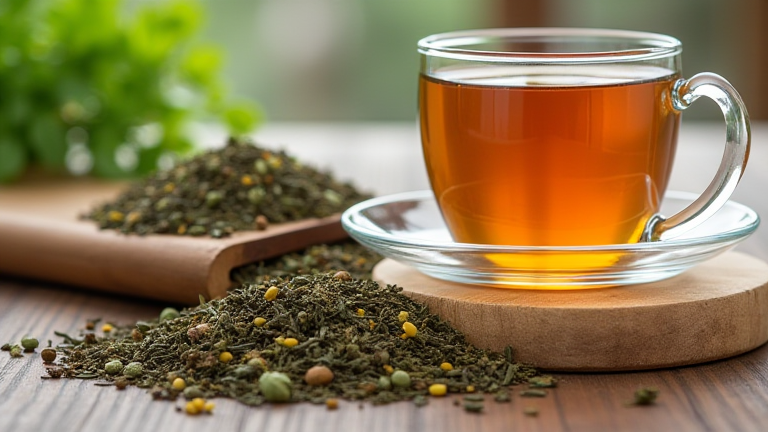
TL;DR: Dried herbs are versatile culinary ingredients that provide concentrated flavor and subtle health benefits when added to meals, while herbal teas offer a hydrating, ritualistic way to consume bioactive compounds for targeted wellness. The primary difference lies in their preparation and intensity, with teas allowing for higher extraction of certain water-soluble nutrients compared to the limited release found in dry sprinkling.
Understanding the Core Differences
While both dried herbs and herbal teas originate from plants, their applications and physiological impacts diverge significantly. Dried herbs, such as basil, oregano, or thyme, are typically used as seasonings. They enhance the taste profiles of dishes while contributing modest amounts of antioxidants and anti-inflammatory compounds. Because they are often consumed in small quantities and combined with fats or acids during cooking, their nutrient bioavailability can vary. Conversely, herbal teas, often referred to as tisanes, involve steeping plant materials in hot water. This process extracts water-soluble vitamins, minerals, and essential oils more efficiently, making them an ideal vehicle for targeted health interventions like relaxation or digestion support.
If you want to dig deeper, check out our guide on Trying TVP (Textured Vegetable Protein): A Complete Guide.
Science-Backed Health Benefits
Research highlights distinct advantages for both categories. Regular consumption of dried herbs like rosemary has been linked to improved cognitive function and memory due to compounds like carnosic acid. These herbs also act as natural preservatives, reducing the need for excess sodium in diets. On the other hand, herbal teas offer profound benefits for stress management and gut health. Chamomile tea, for instance, contains apigenin, an antioxidant that binds to specific receptors in the brain, potentially reducing anxiety and promoting sleep. Peppermint tea is clinically shown to alleviate symptoms of irritable bowel syndrome by relaxing gastrointestinal muscles. Ginger tea, another popular choice, aids in nausea reduction and digestive comfort through its active compound, gingerol.
Integrating Both into Your Lifestyle
To maximize wellness, consider using dried herbs as the foundation of your daily meals and herbal teas as functional beverages. Incorporate fresh or dried thyme and rosemary into roasted vegetables to boost antioxidant intake throughout the day. Reserve herbal teas for specific moments of need, such as drinking peppermint tea after a heavy meal or chamomile tea before bed. This dual approach ensures a diverse intake of phytonutrients. Furthermore, hydration plays a crucial role in overall health, making the liquid nature of tea an added benefit. However, be mindful of caffeine content if choosing teas from the Camellia sinensis plant, whereas true herbal tisanes are naturally caffeine-free. By balancing culinary seasoning with therapeutic infusion, you create a holistic health strategy that supports both physical vitality and mental calmness.
FAQ
Q: Can I use dried herbs to make tea?
A: Yes, you can steep dried herbs in hot water, but the flavor may be less intense than dedicated herbal teas, and some compounds extract better with fresh leaves or specific plant parts designed for infusion.
Q: Are dried herbs more nutritious than fresh ones?
A: Dried herbs often have higher concentrations of certain antioxidants by weight because the water removal process concentrates the nutrients, though some volatile oils may diminish during drying.
Q: Is herbal tea safe for everyone?
A: While generally safe, some herbal teas can interact with medications or cause allergic reactions; it is always advisable to consult a healthcare provider before using herbal teas for therapeutic purposes, especially if pregnant or nursing.