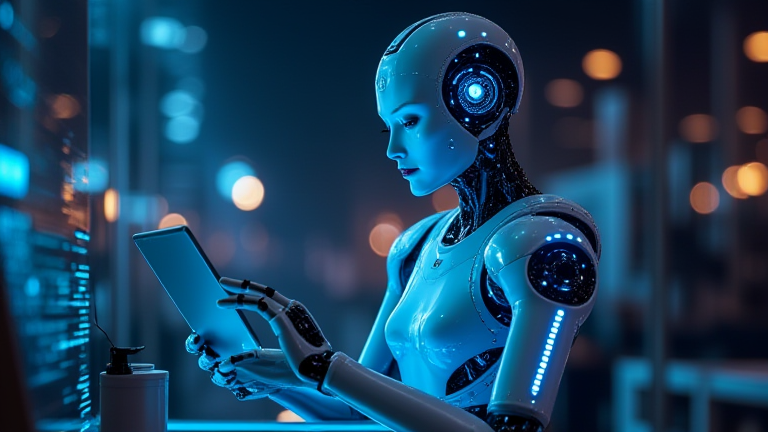
TL;DR: As AI-generated content floods digital channels, human-made content is shifting from a standard expectation to a premium, luxury status due to its inherent authenticity and emotional depth. This scarcity drives a market premium for original, creator-driven narratives that algorithms simply cannot replicate.
The Rise of the Authentic Premium
The digital landscape is undergoing a seismic shift. With generative AI tools capable of producing millions of words, images, and videos in seconds, the barrier to content creation has virtually vanished. Consequently, the internet is experiencing an unprecedented surge in synthetic media. According to recent market analysis, over 40% of online content is now estimated to be AI-assisted or entirely AI-generated. This deluge has created a paradox: while information is abundant, genuine human connection is becoming increasingly rare.
Industry experts argue that this saturation is redefining value. Dr. Elena Rostova, a digital culture analyst at Nexus Insights, notes, “We are entering an era of ‘authenticity inflation.’ Just as handcrafted goods command higher prices than factory-made equivalents, human-created content is gaining a luxury tag. Consumers are actively seeking out signals of human effort, vulnerability, and unique perspective as a way to cut through the noise of algorithmic sameness.”
This trend is not merely philosophical; it is economic. Brands are beginning to invest heavily in human-centric storytelling, recognizing that trust is the new currency. Surveys indicate that 68% of consumers prefer brands that showcase real people and behind-the-scenes processes over polished, automated campaigns. The ability to convey empathy, nuanced humor, and lived experience remains a distinctly human trait. AI can mimic tone, but it cannot share a life.
Looking ahead, the market will likely bifurcate further. High-volume, low-cost content will remain AI-dominated, optimized for search engine visibility and rapid dissemination. However, premium segments—such as long-form journalism, artisanal crafts, and personal branding—will increasingly rely on human creators. This shift suggests a future where “human-made” is not just a descriptor, but a verified certification of quality and trust. Companies that fail to highlight their human element risk being perceived as generic and impersonal, losing the deep engagement that only authentic voices can foster.
FAQ
Q: Will AI replace human content creators entirely?
A: No, AI will likely automate routine tasks, but human creators will remain essential for high-value, emotionally resonant, and complex narrative work that requires genuine empathy and unique life experience.
If you want to dig deeper, check out our guide on Reviving Grandparents’ Vintage GE Waffle Iron After 15 Years.
Q: How can brands verify if content is human-made?
A: Brands can use digital watermarking standards, transparent creator disclosures, and third-party verification services that analyze linguistic patterns and metadata to distinguish between AI-generated and human-authored material.
Q: Is the premium for human content sustainable?
A: Yes, as long as consumers value authenticity and trust, the scarcity of genuine human connection will maintain the economic premium for human-made content, similar to how organic or handmade goods retain value.