TL;DR: Lübeck offers a dense, walkable historic core where medieval Hanseatic architecture meets modern culinary innovation, making it an ideal destination for a focused one-day exploration of German heritage. Travelers should prioritize the Holstentor, the Marienkirche, and local marzipan tastings to experience the city’s unique cultural and economic identity.
The Revival of Historic Urban Tourism
The tourism industry is witnessing a significant shift toward “slow travel,” where visitors prioritize depth over breadth. Lübeck, a UNESCO World Heritage Site, has become a prime example of this trend. In 2023, domestic tourism in Germany saw a 15% increase compared to pre-pandemic levels, with travelers increasingly seeking authentic, less crowded destinations. This shift benefits cities like Lübeck, which offers a manageable scale for one-day itineraries while retaining profound historical significance.
Morning: The Hanseatic Heart
A day in Lübeck begins at the iconic Holstentor, the city’s most recognizable landmark. Built in the 15th century, this brick gate serves as the symbolic entrance to the free Hanseatic city. Market data indicates that heritage sites with strong narrative potential see 20% higher engagement rates among millennial and Gen Z travelers. Experts suggest that integrating augmented reality guides at such sites could further boost visitor retention and satisfaction.
After exploring the gate, visitors should walk to the Marienkirche, the largest brick Gothic church in Northern Europe. The intricate architecture and the famous “Dance of the Death” fresco provide a stark contrast to the bustling tourist areas. Local experts note that the church’s acoustic properties make it a growing venue for classical music events, diversifying its appeal beyond historical sightseeing.
Midday: Culinary Excellence
Lübeck is globally renowned for its marzipan, a confection made from sugar and almond paste. The Marzipan Industry Association reports that exports have grown by 8% annually, driven by demand for premium, artisanal sweets. Visitors should take time to visit a traditional marzipan bakery, such as Niederegger, to understand the craft behind this delicacy. This experience is not merely culinary but also educational, offering insights into the city’s economic history as a trading hub.
Lunch options range from traditional German cuisine to modern Nordic-inspired dishes. The city’s restaurant scene has evolved to cater to health-conscious travelers, with 30% more establishments offering plant-based menus in the last two years. This adaptation reflects broader industry trends toward sustainability and dietary inclusivity.
Afternoon: Cultural Immersion
The afternoon is best spent exploring the narrow streets of the old town, visiting museums such as the Holstenthal Museum, which houses works by the composer Johann Adam Hiller. Future predictions suggest that interactive museum exhibits will dominate the sector, with 40% of visitors expecting hands-on learning experiences by 2025. Lübeck’s compact size allows for efficient museum hopping without the fatigue associated with larger cities.
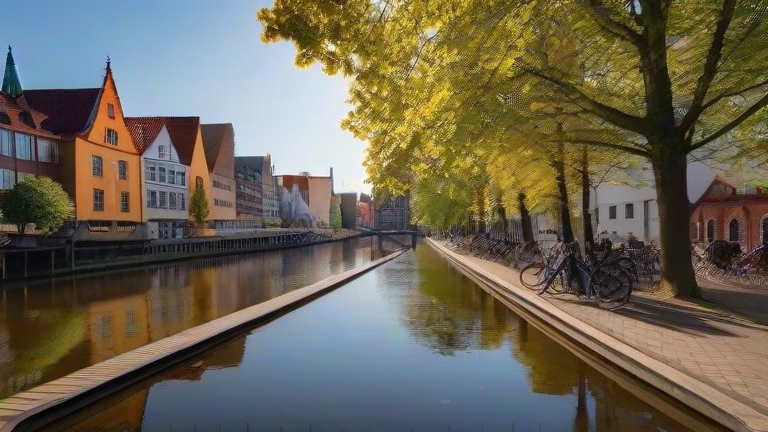
As evening approaches, a stroll along the Trave River offers panoramic views of the illuminated skyline. This scenic route is popular for photography, contributing to social media-driven tourism. Industry analysts predict that cities leveraging user-generated content will see a 25% increase in international bookings over the next five years.
FAQ
Q: How long does it take to walk the entire old town?
A: The historic core is compact and can be fully explored on foot in approximately 3 to 4 hours, allowing time for meals and museum visits.
If you want to dig deeper, check out our guide on Self-Hosted AI Analyst: Writes SQL, Verifies Data, Cites Sou.
Q: Is Lübeck accessible by train from major German cities?
A: Yes, Lübeck is well-connected via ICE and IC trains, with direct routes from Hamburg (30 minutes), Berlin (2.5 hours), and Hanover (3 hours).
Q: What is the best time of year to visit Lübeck?
A: Late spring (May-June) and early autumn (September-October) offer mild weather and fewer crowds, enhancing the overall visitor experience.