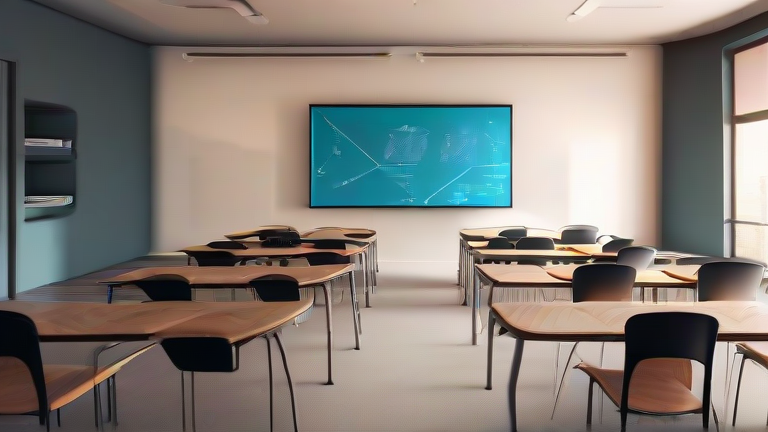
Metaverse Education: Replacing Traditional Classrooms
The concept of learning has always been tied to physical spaces, yet the digital revolution is reshaping how we acquire knowledge. Imagine stepping out of your cramped apartment and instantly teleporting to the Louvre in Paris or walking through ancient Rome with a historian guide. This is not science fiction; it is the emerging reality of metaverse education. For the modern traveler and lifelong learner, this shift offers an unprecedented opportunity for personal growth and cultural immersion that transcends geographical boundaries.
Gone are the days when education was confined to four walls and a chalkboard. Today, students can engage in immersive historical reenactments, conduct chemistry experiments in safe virtual labs, or practice language skills with native speakers in simulated environments. This technological leap allows for a deeper understanding of complex subjects by making them tangible. For those passionate about travel, the metaverse offers a taste of distant cultures without the cost or carbon footprint of international flights. You can dine virtually with families in Tokyo, attend a flamenco performance in Seville, or explore the markets of Marrakech, all from your living room.
If you want to dig deeper, check out our guide on 10 Proven Business Growth Strategies to Boost Revenue in 202.
However, the transition to virtual classrooms raises questions about human connection. Critics argue that the lack of physical presence diminishes the social aspects of learning. Yet, proponents suggest that these platforms foster global communities, connecting individuals from diverse backgrounds who share a passion for learning. The key lies in balancing digital immersion with real-world interactions. As we embrace this new era, we must ensure that technology serves as a bridge, not a barrier, to genuine human experience.
Ultimately, metaverse education is not about replacing traditional methods but enhancing them. It offers a flexible, engaging, and inclusive approach to learning that appeals to a generation accustomed to digital natives. By integrating these tools into our educational frameworks, we can create a more dynamic and accessible learning environment. The future of education is not just about what we learn, but how we experience it. As we step into this virtual frontier, we open ourselves to a world of possibilities, where knowledge is limitless and the classroom knows no borders. Let us embrace this change with curiosity and an open mind, ready to explore the vast landscapes