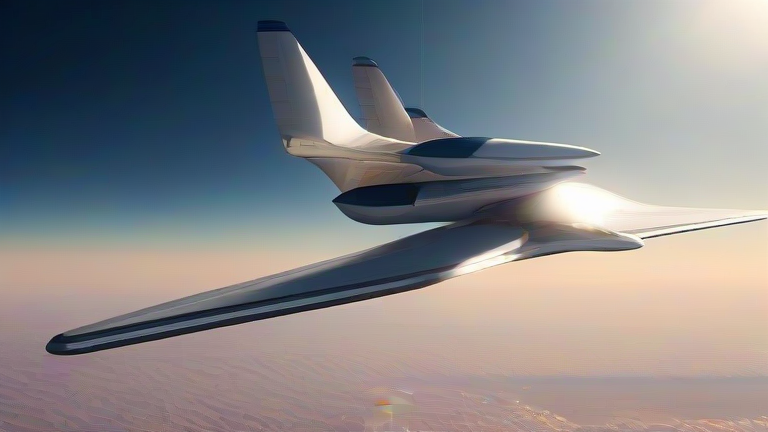
Space Tourism: Suborbital Flights Now Open to the Public
For decades, the dream of touching the stars belonged exclusively to elite astronauts backed by billions in government funding. Today, that dream is transitioning from science fiction to a tangible, albeit expensive, reality. With the recent commercialization of suborbital flights, space tourism is no longer a distant fantasy but an accessible experience for the wealthy and the adventurous. This article explores the current state of this burgeoning industry, highlighting key features, comparing major providers, and helping you decide if it is time to book your ticket to the edge of space.
Feature Highlights: The Experience of Weightlessness
The core allure of suborbital tourism lies in the brief but profound experience of weightlessness. Unlike orbital flights that keep passengers in space for days, suborbital trajectories take travelers up to the Kármán line—100 kilometers above sea level—and back down within roughly ten to fifteen minutes. Once the rocket engines cut off, passengers float freely, gazing out at the curvature of the Earth against the stark blackness of space. This “Overview Effect” is often described as life-changing, offering a perspective on our planet that is both humbling and exhilarating.
If you want to dig deeper, check out our guide on Real-Time Biometrics in Global Mental Health Apps.
Modern spacecraft are designed with passenger comfort in mind. Large, panoramic windows allow for uninterrupted views, while ergonomic seats ensure safety during the intense acceleration phases. The entire journey, from pre-flight training to landing, is meticulously managed to provide a seamless experience. Additionally, many providers include high-altitude jet training and medical screenings to ensure that participants are physically prepared for the G-forces involved.
Comparing the Major Players
Two primary companies dominate the current suborbital market: Blue Origin and Virgin Galactic. Blue Origin’s New Shepard vehicle utilizes a vertical launch and recovery system. It resembles a tall, slender rocket that carries a capsule to the edge of space. The ride is known for its smoothness and stability, with passengers experiencing about three to four minutes of microgravity. The capsule then parachutes back to Earth, offering a gentle landing.
Virgin Galactic’s SpaceShipTwo, on the other hand, operates differently. It is air-launched from a mothership, which provides a smoother initial ascent. Once released, the spacecraft rockets up to space, where it