Vertical Farming Cuts Urban Food Carbon Footprint
In the heart of bustling metropolises, where concrete jungles stretch toward the sky, a quiet revolution is taking root. It is not happening in sprawling rural fields miles away, but rather in repurposed warehouses, abandoned parking garages, and high-rise buildings. This is the age of vertical farming, a sustainable agricultural practice that is reshaping how cities feed themselves while drastically reducing the carbon footprint associated with traditional food production. For the modern urban dweller interested in travel, food, and personal growth, understanding this shift offers a profound glimpse into the future of sustainable living.
The Green Revolution in Concrete
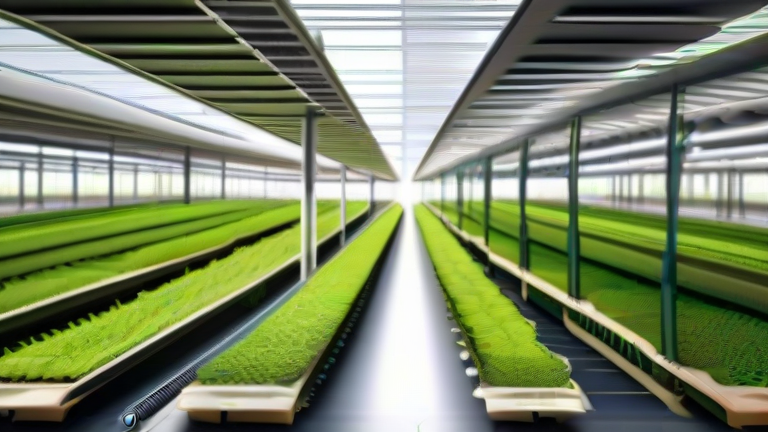
Traditional agriculture is resource-intensive. It requires vast amounts of land, water, and transportation. When you buy produce from a distant farm, you are inadvertently contributing to greenhouse gas emissions through refrigerated trucks, cargo ships, and airplanes. Vertical farming flips this model on its head. By growing crops in stacked layers, often indoors under controlled conditions using hydroponics or aeroponics, farmers can produce up to 100 times more food per square foot than traditional farming. This density means less land is needed, preserving natural habitats and biodiversity.
If you want to dig deeper, check out our guide on Global Scale-Up of Sustainable Aviation Fuel for Cleaner Air.
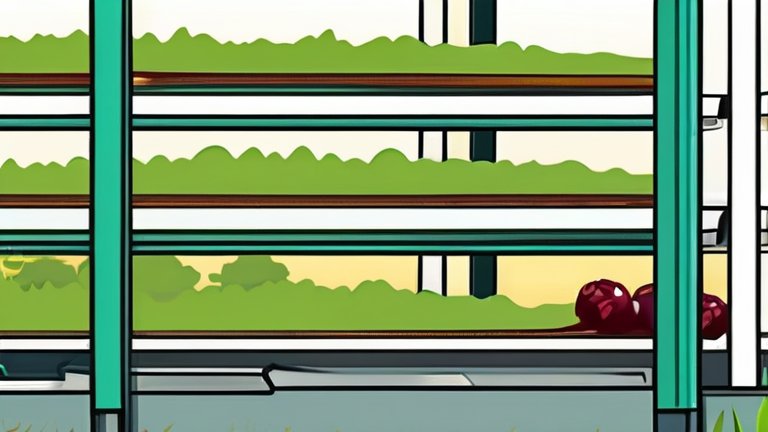
Moreover, the water usage in vertical farms is significantly lower. These systems recirculate water, using up to 95% less than conventional farming methods. For cities facing water scarcity, this efficiency is not just an environmental bonus; it is a necessity. The reduction in transportation distance is equally impactful. Imagine buying lettuce that was grown just a few blocks away from your kitchen. The “food miles” are reduced to mere meters, slashing the carbon emissions associated with logistics and cold storage.
A Cultural Shift Towards Conscious Consumption
For travelers and food enthusiasts, vertical farming offers a new way to experience urban culture. Cities like Singapore, New York, and Tokyo are becoming testbeds for this innovation. Food tours now include visits to urban farms, where visitors learn about the technology behind sustainable agriculture. These experiences foster a deeper connection to the food we eat, encouraging mindful consumption and personal growth through education.
Cult