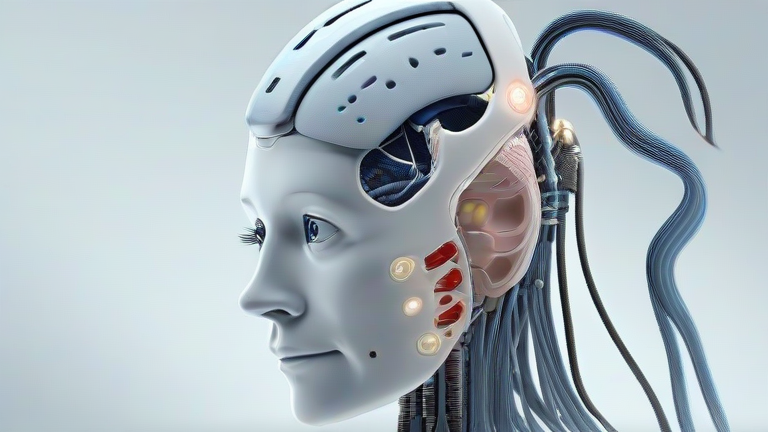
How Neural Interfaces Restore Motor Function: The Future of Care
Imagine losing the ability to move your arm due to a spinal cord injury. For decades, this reality was a permanent sentence. Today, however, cutting-edge science is rewriting that narrative. Neural interfaces, often referred to as brain-computer interfaces (BCIs), are emerging as a revolutionary tool in rehabilitation medicine. By creating direct communication pathways between the nervous system and external devices, these technologies are offering hope to millions of patients worldwide. This article explores the science behind neural interfaces and provides actionable advice for those navigating the path to recovery.

At its core, a neural interface captures electrical signals generated by neurons in the brain. These signals, which normally instruct muscles to move, are decoded by sophisticated algorithms. The decoded information is then transmitted to an external device, such as a robotic limb or a functional electrical stimulation system, which mimics the intended movement. Recent clinical trials have demonstrated remarkable success, with paralyzed patients regaining the ability to grasp objects, drink from a cup, and even play video games. This technology not only restores physical function but also significantly improves mental well-being by reducing the psychological burden of disability.
If you want to dig deeper, check out our guide on Remote Work Hubs Are Replacing City Offices.
While the technology is still evolving, integrating it into a holistic health strategy is crucial for optimal outcomes. Here are science-backed tips to support your journey:
1. Engage in Mental Imagery Therapy
Research suggests that visualizing movement can strengthen neural pathways. Even if physical movement is impossible, mentally rehearsing actions can prime the brain for reconnection. Spend ten minutes daily imagining your hand moving smoothly, engaging with objects, and feeling the tactile sensations. This practice enhances neuroplasticity, the brain’s ability to reorganize itself.
2. Prioritize Sleep and Nutrition
A healthy brain is a trainable brain. Ensure you get seven to nine hours of quality sleep each night, as this is when memory consolidation and neural repair occur. Additionally, consume a diet rich in omega-3 fatty acids, antioxidants,